 ×
×
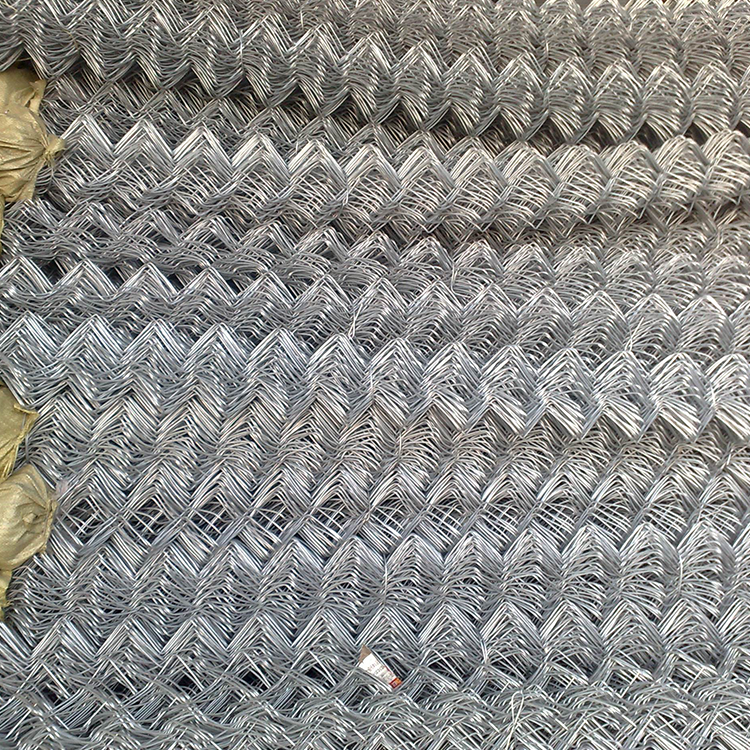
The Problem with Rigid Solutions on Unstable Ground Steep slopes present a fundamental engineering challenge: the soil wants to move downhill, and gravity never takes a day off. Traditional approaches to slope stabilization often rely on rigid struct...
VIEW MORE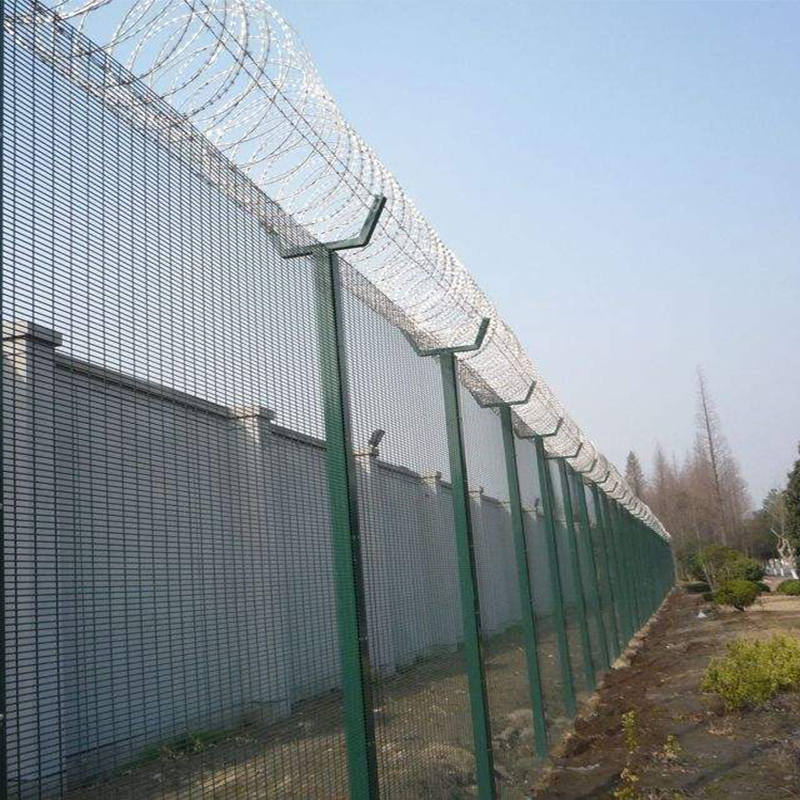
More Than Just Wire with Spikes Walk past any perimeter fence, and the wire running along the top usually doesn‘t get a second glance. It’s just barbed wire, right? Sharp stuff meant to keep things in or out. But the reality is more nuanc...
VIEW MORE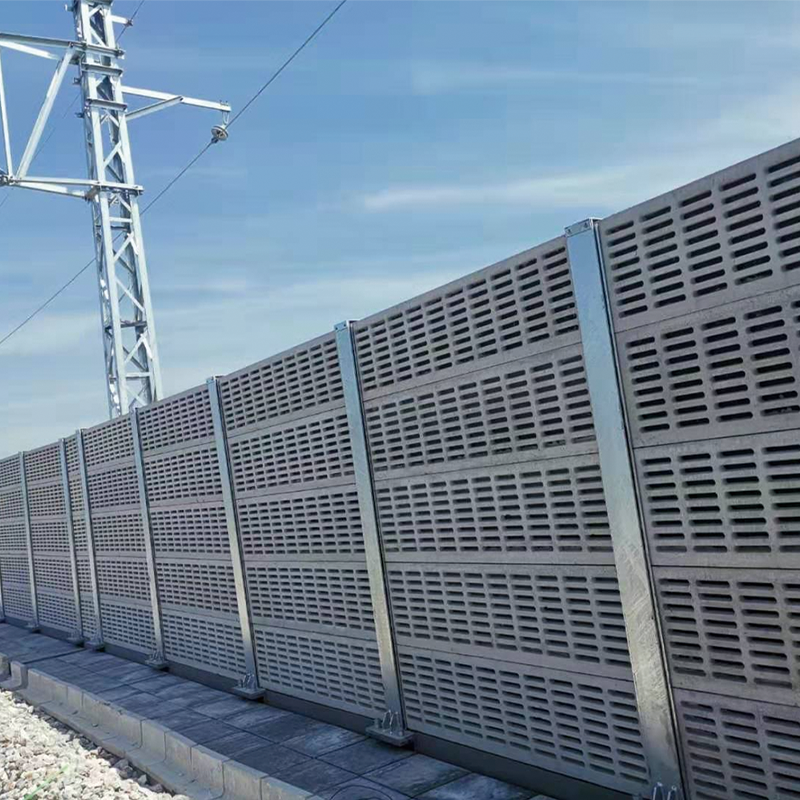
The Problem with Building for Today's Needs Only There's a certain kind of regret that sets in about six months after a fixed wall goes up. The space that seemed perfectly sized for a small rehearsal studio suddenly needs to accommodate a full band. ...
VIEW MORE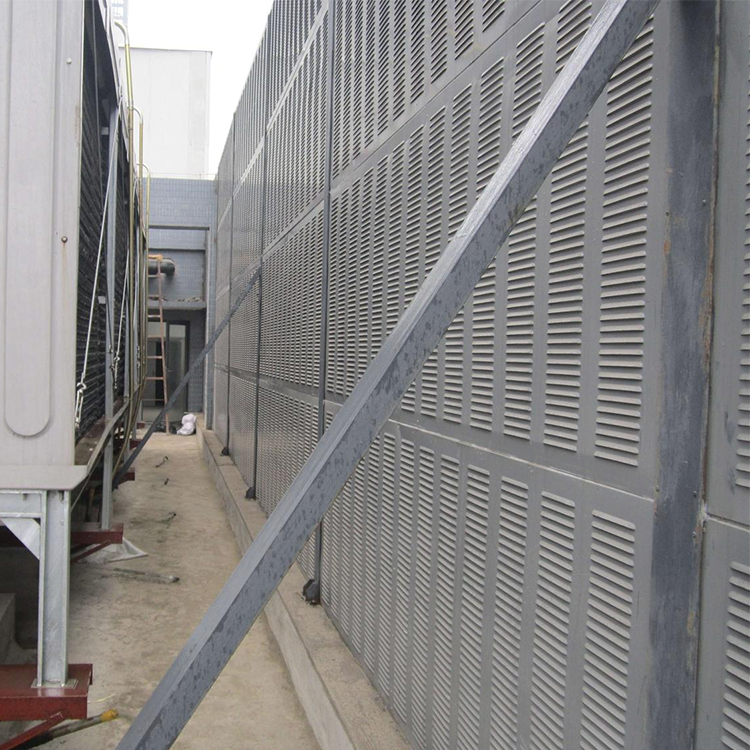
The Real Problem Isn't Noise—It's What the Noise Does to the Music Walk into any decent-sized music room, and the first thing that hits isn't the volume—it's the smear. That muddy, indistinct quality where a snare hit bleeds into a guitar...
VIEW MORE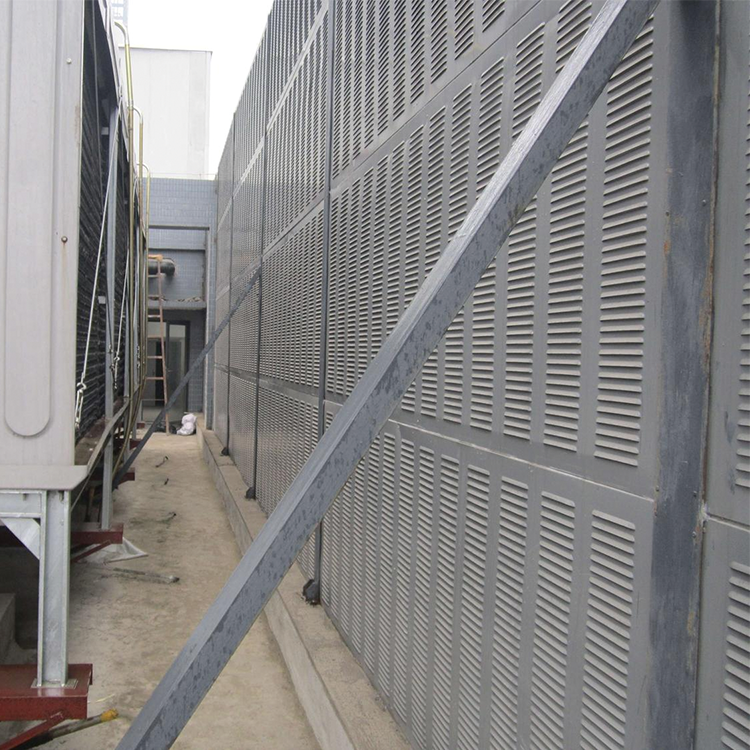
Two Completely Different Jobs, One Confusing Name Walk into any acoustics supply catalog and the terminology blurs together fast. Sound-absorbing board. Soundproof panel. Acoustic panel. Noise barrier. They all sound like they do the same thing&mdash...
VIEW MORE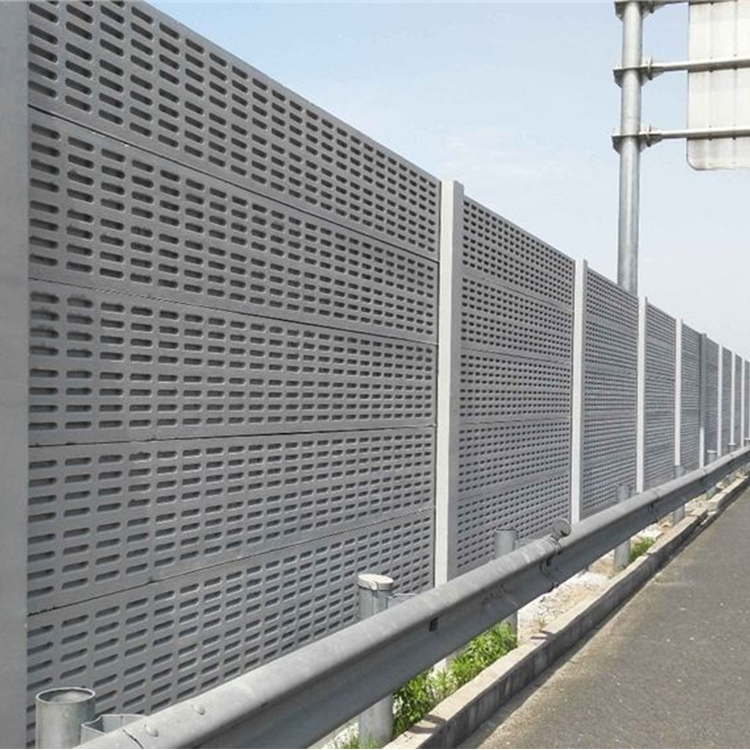
The Unique Challenge of Wheel-Rail Noise Railway noise isn't the same animal as highway noise. Anyone who has stood trackside as a freight train rumbles past knows the difference—there's a distinctive screech and rumble that comes from the cont...
VIEW MORE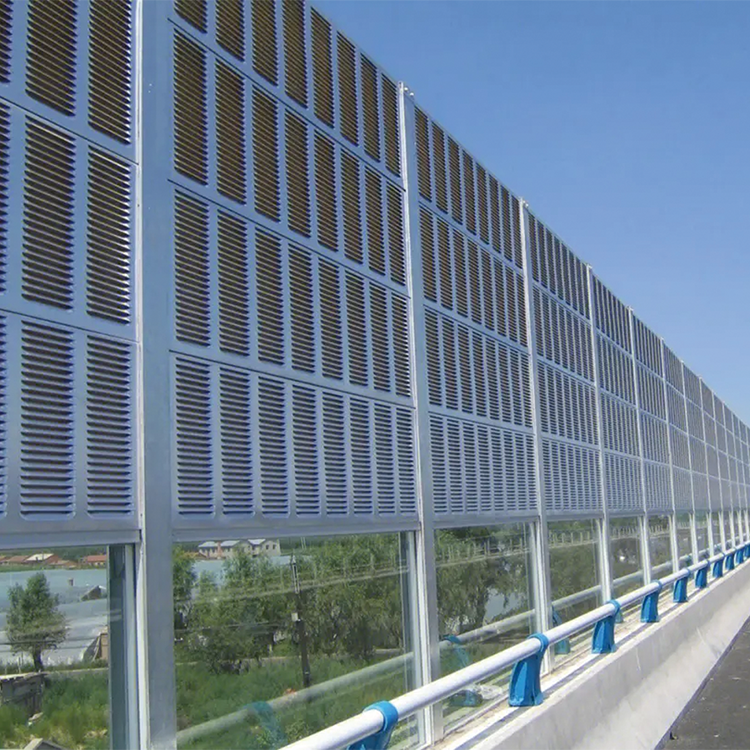
The Real Problem with Highway Noise Isn’t Volume—It’s Frequency Highway traffic noise is rarely a single, uniform hum. Anyone who has lived near a busy interstate knows the difference between the steady drone of passenger cars and t...
VIEW MORE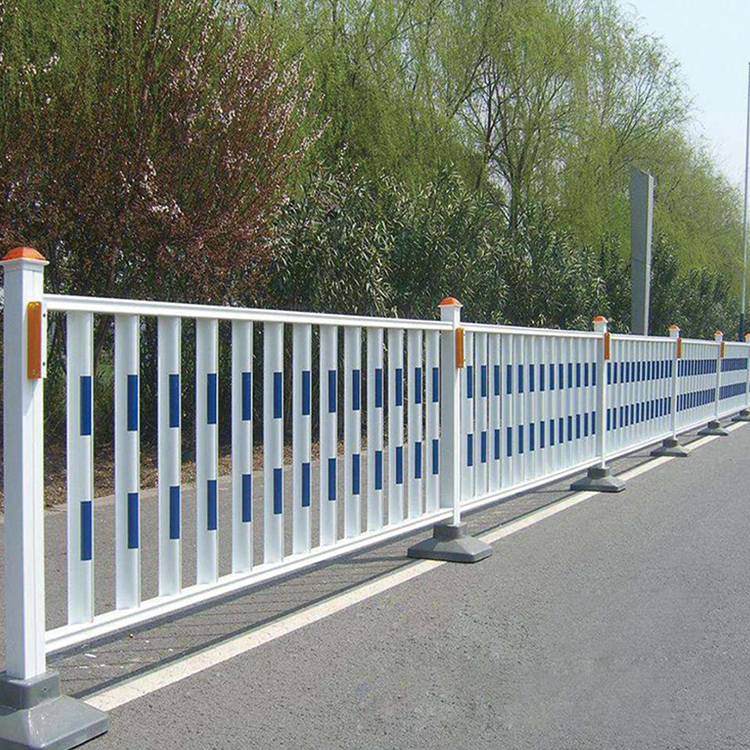
More Than a Line of Metal Drive down any busy urban thoroughfare and they are everywhere—those waist-high barriers dividing lanes, shielding sidewalks, and channeling foot traffic toward crosswalks. Most drivers and pedestrians barely notice th...
VIEW MORE
The Real Cost of “Cheap” Fencing A fence is one of those home investments that seems straightforward—until a few years pass. Wood starts to gray and split. Wrought iron develops rust spots that spread like a slow stain. Chain-link l...
VIEW MORE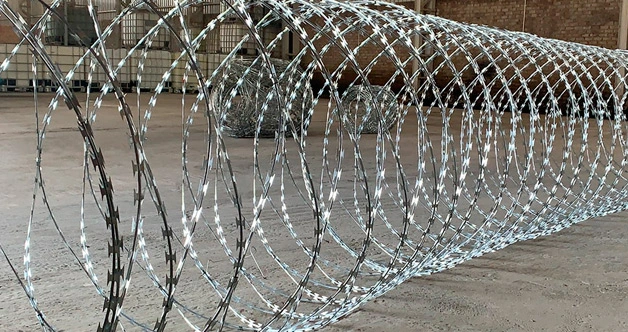
The 150-Year-Old Technology That Refuses to Go Away Barbed wire was patented in 1867. That’s a century and a half ago. In an era of smart cameras, drone surveillance, and biometric access control, it’s reasonable to ask why anyone still s...
VIEW MORE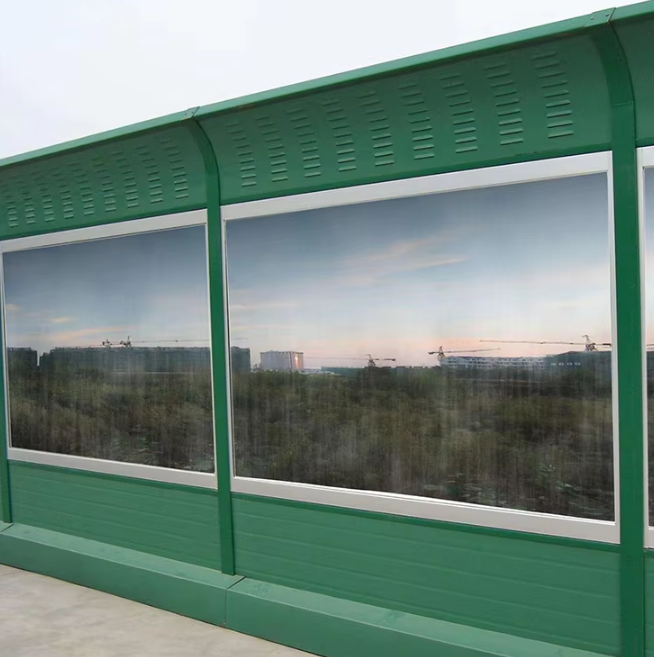
The Concrete Wall Problem That Every Acoustics Pro Knows Concrete is great for structural integrity. For acoustics, it’s a nightmare. A painted concrete wall has a Noise Reduction Coefficient (NRC) of roughly 0.05 to 0.07. That means it reflect...
VIEW MORE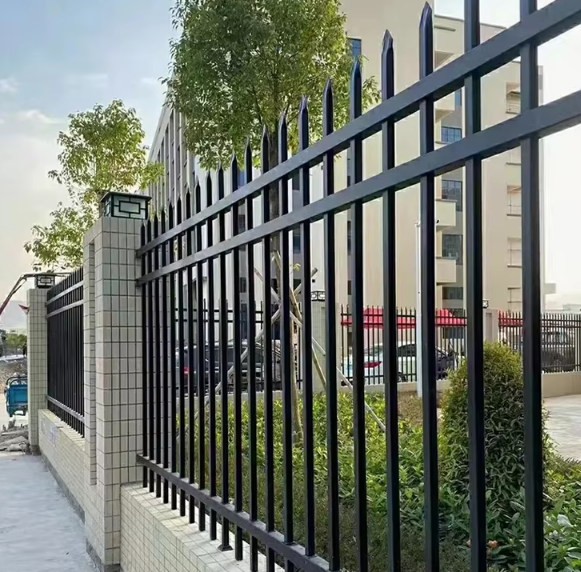
The 42-Inch Baseline That Most Municipalities Start With Walk through any downtown district or suburban commercial corridor, and the pedestrian guardrails lining sidewalks and bridge walkways look straightforward enough. But the height of those rails...
VIEW MORE
 EN
EN

