
 EN



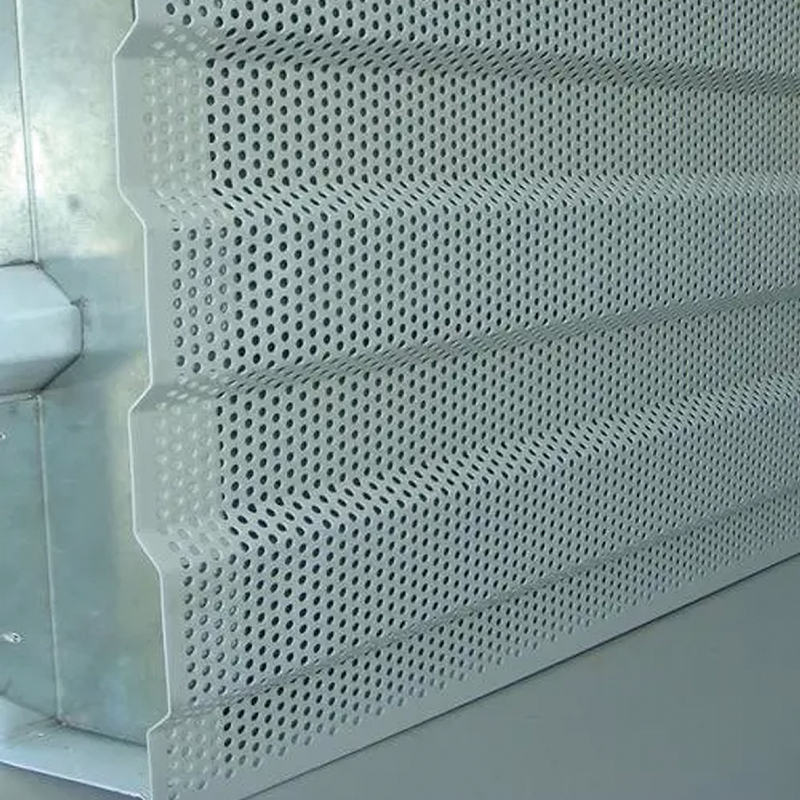
The separate working logic of soundproof walls and sound-absorbing materials
A soundproof wall relies on mass, density and airtight assembly to stop sound waves from traveling across boundaries. Its performance is measured by Sound Transmission Class, or STC, tested following ASTM E90 standards. A rigid, dense barrier turns away most airborne sound and limits transmission to adjacent zones. Sound-absorbing materials follow a different principle. Porous internal structures trap incoming sound energy and convert wave motion into minor heat loss, instead of blocking sound from passing through. Their core rating is Noise Reduction Coefficient, NRC, defined under ASTM C423, reflecting average absorption across four key mid-frequency bands.
Many field mistakes start from mixing these two functions. A reflective soundproof wall alone cannot reduce sound buildup inside a noisy zone. It simply bounces sound waves back into the same space, raising reverberation time and creating a louder, harsher acoustic environment. A standalone absorber, on the other hand, will not stop sound from leaking outward to neighboring areas.
How reflected sound weakens raw barrier performance
Even a well-built soundproof wall will hit performance limits when surrounded by reflective surfaces. Sound that bounces repeatedly within an enclosed space increases the overall sound pressure hitting the barrier surface. Higher incident sound load pushes more energy through gaps and structural connections, lowering the effective isolation result.
| Assembly type | Typical STC rating | NRC of inner surface | Practical on-site noise reduction |
|---|---|---|---|
| Solid soundproof wall, reflective inner face | 42 | 0.05 | Moderate, limited by internal reverberation |
| Soundproof wall lined with absorbing material | 41 | 0.70 | Noticeably better than bare barrier |
| Loose absorbing panel without isolation layer | 18 | 0.72 | Poor for stopping sound transmission |
The table shows that adding absorption does not lift the lab STC number of the wall itself. It cuts down cyclic sound reflection so the barrier works closer to its designed capacity. This difference often escapes buyers who only compare single STC values on specification sheets.
Real project observation from industrial noise retrofit
During a noise upgrade at a chemical plant in southern China, installers first erected continuous soundproof walls around pump sets without any absorbing lining. Initial tests showed that noise levels at the property line dropped only slightly, while sound readings inside the bounded area stayed high. Sound mapping confirmed strong reverberation between metal wall panels and equipment surfaces. After lining the inner side of the same walls with certified sound-absorbing layers, reverberation time fell, and effective noise control improved significantly without replacing the existing barrier frame. This case illustrates a common truth: isolation alone fails when sound keeps bouncing inside the controlled area. Absorption handles the internal reflection problem so the barrier can deliver stable noise control.
Frequency gaps that demand combined acoustic design
Pure mass-based soundproof walls tend to perform better at mid and high frequencies, while low-frequency waves can bypass barriers more easily through structure-borne paths. Most standard absorbing materials target mid-to-high frequency energy, matching the range where reflection piles up fastest. Used together, the two components cover complementary weak points.
- The soundproof wall restricts direct airborne transmission across the partition.
- Absorbing layers weaken reflected high and mid-frequency noise inside the source side.
- Proper cavity layout between the two layers can add extra suppression for certain low-frequency bands.
No single material can deliver balanced control across the full audible spectrum. Designers who skip absorption often see acceptable test data in quiet lab settings but disappointing outcomes once the system runs under real operational conditions.
Clear limits of combined acoustic systems
Combined assemblies still have boundaries that must be recognized. They cannot eliminate low-frequency structure-borne noise that travels through steel frames, concrete slabs or pipe connections. Air leaks around doors, cable penetrations and ventilation openings will override much of the acoustic gain from both layers. Wind load, temperature cycling and dust accumulation also slowly reduce absorber efficiency over time. This is why acoustic design always treats walls and liners as part of a broader noise control package, rather than a standalone fix. Vibration isolation for machinery, sealed penetrations and tuned silencers often sit alongside these wall assemblies.
Practical value of matched acoustic assemblies
A matched soundproof wall plus sound-absorbing material setup creates a balanced acoustic solution that addresses both outward transmission and internal reverberation. It avoids overdesigning the barrier mass to chase marginal gains, which helps keep installation weight and material consumption reasonable. KHL supplies acoustic wall assemblies built with consistent quality control and stable supply support for these integrated noise control layouts. Its component sets follow standard acoustic testing frameworks and fit a wide range of site layouts without locking projects into rigid single-size options.
Table of Contents
- The separate working logic of soundproof walls and sound-absorbing materials
- How reflected sound weakens raw barrier performance
- Real project observation from industrial noise retrofit
- Frequency gaps that demand combined acoustic design
- Clear limits of combined acoustic systems
- Practical value of matched acoustic assemblies