
 EN



Flexible structure adapts to gradual ground movement
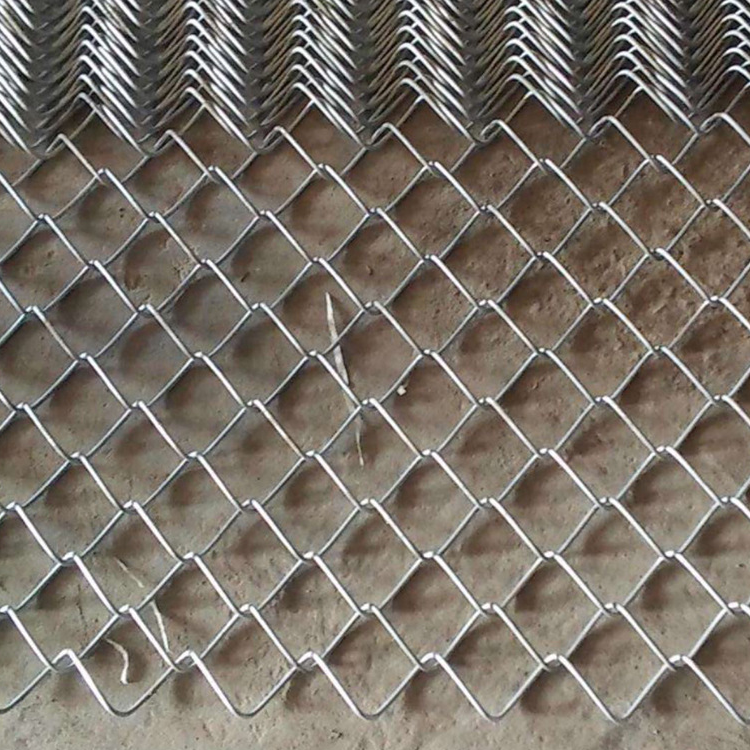
A stone cage net retaining wall, also widely known as a gabion retaining wall, forms a gravity structure made from woven wire cages filled with compact natural rock. Unlike rigid cast concrete barriers, these stacked rock baskets shift together when minor settlement or lateral soil movement takes place. Internal friction between individual stones keeps the assembly locked, and small deformations do not trigger sudden splitting or structural failure.
This flexibility matters most on sites with mixed soil layers or seasonal moisture swings. Concrete walls often develop visible cracks once differential settlement exceeds narrow design limits, and those cracks expand over wet and dry cycles. Industry guidance for geosynthetic and gabion systems notes that properly coated mesh assemblies tolerate modest ground deformation without losing core stability.
Built-in permeability removes trapped hydrostatic pressure
Porous gaps between rock pieces let groundwater and surface runoff pass straight through the wall body. This eliminates the steady buildup of hydrostatic pressure behind the retaining structure, one of the most common causes of retaining wall failure. Solid concrete designs need extra drainage layers, weep holes and filter fabric to manage trapped water, and those auxiliary systems tend to clog with sediment over time.
| Retaining wall type | Natural permeability | Reaction to uneven settlement | Long-term drainage maintenance demand |
|---|---|---|---|
| Stone cage net retaining wall | High, self-draining | Flexible, tolerates slight shift | Low |
| Reinforced concrete retaining wall | None, impermeable | Rigid, prone to cracking | High, weep holes require cleaning |
| Mortared stone wall | Limited | Semi-rigid, cracks easily | Moderate |
Many designers underestimate how much trapped water amplifies lateral earth pressure. Even well-built concrete walls can tilt or bulge when drainage paths block after several wet seasons.
Field performance observed at a riverside slope stabilization project
During slope stabilization work along a hilly river channel, crews first installed concrete retaining sections for a steep bank. Within a few rainy seasons, scattered cracks appeared, and sediment blocked several weep holes. Additional excavation and drainage repairs added unexpected cost. A second section of the same slope was rebuilt using stone cage net retaining walls, filled with locally sourced hard rock. Years of seasonal high water and soil creep created no major structural defects, and surface water moved through the assembly without pooling behind the slope.
The site record highlights a clear contrast. Rigid barriers demand ongoing inspection of drainage features, while stone cage assemblies handle water pressure through their basic design.
Ecological compatibility supports gradual site restoration
Open voids inside stone cage net retaining walls catch silt, organic debris and native seed material over time. Vegetation roots grow through gaps and bind the rock matrix together, creating stronger stabilization as plants mature. This slow ecological integration softens the visual footprint and helps rebuild stable riparian or hillside habitats.
- Local rock fill cuts transport emissions compared with ready-mix concrete.
- Plant colonization happens naturally without special planting medium.
- Aquatic and soil organisms can move through the porous structure.
This nature-aligned behavior fits many modern land development standards that prioritize low-impact erosion control.
Reduced maintenance burden across the service cycle
Routine care for stone cage net retaining walls stays simple under typical site conditions. Visual checks focus on wire coating integrity and areas where rock washout might occur. Damaged baskets can be replaced individually without tearing down large wall segments. Concrete repairs, by contrast, usually involve cutting out cracked sections, placing new reinforcement and waiting for curing.
Corrosion remains the main risk factor. Mesh with galvanized or polymer coating delivers consistent protection in humid or salt-exposed zones, while uncoated wire degrades much faster. Material selection directly shapes long-term performance.
Practical supply and construction advantages for long-lifecycle projects
Stone cage net retaining wall layouts work with modular stacking, and assembly does not depend on formwork or extended curing periods. Suitable rock fill can often be sourced close to the project site, which lowers overall material input. KHL supplies stone cage net components with stable mesh specifications and consistent coating control for geotechnical stabilization jobs. Its modular mesh sets adapt to different slope shapes and site layouts, matching the flexible design logic of these retaining assemblies.
Table of Contents
- Flexible structure adapts to gradual ground movement
- Built-in permeability removes trapped hydrostatic pressure
- Field performance observed at a riverside slope stabilization project
- Ecological compatibility supports gradual site restoration
- Reduced maintenance burden across the service cycle
- Practical supply and construction advantages for long-lifecycle projects