
 EN
EN



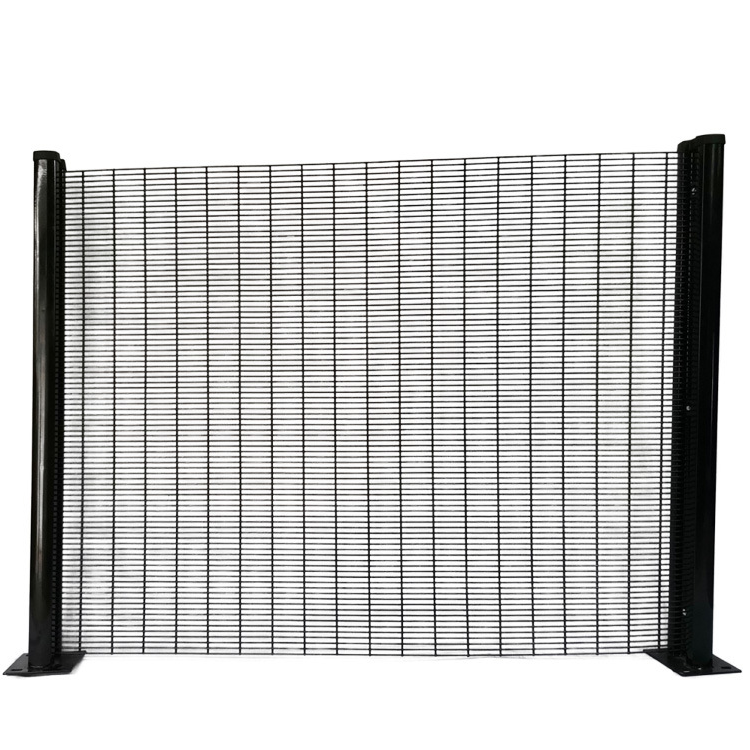
Kiçik heyvanlar çitə fərqli baxırlar
Sizə tamamilə bərk görünən bir çit, dovşan və ya toyuq üçün açıq qapı kimi görünə bilər. Kiçik heyvanlar maneələri bizim kimi hiss etmirlər. Onlar boşluqları axtarır, burunları ilə açıqları sınayır və görünüşdə imkansız dərəcədə dar olan aralıqlardan keçir. Əgər heç vaxt gənc dovşanın bədənini yastılaşdırıb, sikkədən bir az geniş olan dəlikdən sürüşdüyünü müşahidə etmisinizsə, bu problemin mahiyyətini anlayırsınız. Doğru çit toru yalnız dayanıqlı bir şey tikmək deyil. Bu, saxlamağa çalışdığınız müəyyən heyvana uyğun olan göz ölçüsünü seçməkdir.
Rəqəmlərin Əslində Nə Mənası Var
Çəkmək ölçüsü şəbəkədəki qonşu tellər arasındakı məsafəni, ya mərkəz-dən-mərkəzə, ya da açıq boşluq kimi ölçür. Kiçik heyvanların saxlanması üçün ən vacib olan açıq boşluq ölçüsündür. Əgər bu boşluq heyvanın başının və ya döş qəfəsinin ölçüsündən böyükdürsə, çəkmək əslində maneə deyil, sadəcə bir təklifdir. Tam inkişaf etmiş toyuq adətən 50 millimetrdən böyük olan hər hansı bir boşluqdan keçə bilər. Daha kiçik cinslər daxil olmaqla dovşanlar 30 millimetrlə qədər dar boşluqlardan keçə bilərlər. Yeni doğulmuş quşlar və civcivlər isə onların bədənləri hələ də çox kiçik olduğundan, görünüşdə çox kiçik olan bir delikdən belə keçə biləcəyi üçün daha kiçik aralıqlara, adətən 15–25 millimetreyə ehtiyac duyurlar.
Çəkmək ölçüsünü heyvana uyğunlaşdırmaq
Fərqli heyvanlar fərqli tor ölçülərinə ehtiyac duyur və bu ölçünü səhv seçmək, əvvəlcədən çit qurmağın məqsədini ləğv edir. Yetkin toyuq və daha böyük quşlar üçün ümumiyyətlə 25–50 millimetrlik tor ölçüsü kifayət edir. Dovşanlar üçün tövsiyə olunan ölçü isə 30 millimetrdən kiçik olmalıdır, çünki dovşanlar bədənlərini təəccübləndirici dərəcədə sıxmağa qadir olurlar. Əgər siz toyuq sahəsini tülkü kimi yırtıcılar və ya kiçik itlərin oraya daxil olmasına mane olmaq üçün çit qurursunuzsa, tor o qədər sıx olmalıdır ki, bir pəncə içəriyə uzana bilməsin və quşlardan birini tuta bilməsin. Belə hallarda 25 millimetrlik və hətta 15 millimetrlik tor real təhlükəsizlik təmin edir. Heyvan nə qədər kiçikdirsə, tor da bir o qədər sıx olmalıdır və bütün hallara uyğun tək bir rəqəm yoxdur.
Altıbucaqlı və Düzbucaqlı Açıqlar
Torun açıqlıqlarının forması ölçüsündən demək olar ki, eyni dərəcədə vacibdir. Altıbucaqlı torlar, adətən toyuq təbəqəsi adlandırılan, yayğın və ucuzdur. Bu torlar riski az olan ərazilərdə yetkin quşlar üçün yaxşı işləyir. Lakin altıbucaqlı açıqlıqlar zamanla deformasiyaya uğraya bilər və telin büküldüyü nöqtələrdə daha böyük boşluqlar yaradar. Düzbucaqlı və ya kvadrat açıqlıqlı qaynaqlanmış tel çit toru öz formasını daha yaxşı saxlayır və daha sabit mühafizə təmin edir. Qətiyyətli qaçma sənətkarları olan kiçik heyvanlar üçün bərabər açıqlıqlı qaynaqlanmış tor adətən daha təhlükəsiz seçimdir. Telin qalınlığı (kalibr) da rol oynayır. İncə tel müəyyən heyvanlar tərəfindən əyilə bilər və ya sıxılıb deşilə bilər; buna görə də daha qalın tel düzgün tor ölçüsünə əlavə olaraq əlavə təhlükəsizlik təmin edir.
Xaricdə Nə Olduğunu Da Düşünmək
Tutma yalnız tənliyin yarısıdır. Çit toru həmçinin yırtıcıları xaricdə saxlamalıdır. Toyuqları daxilində saxlayan, lakin sırnaqquluşun birbaşa içəri girməsinə imkan verən bir tor tam işini görmür. Sırnaqquluşlar, çölçülər və siçovullar 15 millimetrlik açıqlıqlardan keçə bilərlər; bu isə əksər standart toyuq torlarından daha sıxdır. Əgər siz yırtıcı populyasiyalarının aktiv olduğu bir ərazidə yaşayırsınızsa, torun ölçüsü həm tutulan heyvanlar, həm də yerli vəhşi heyvanlar nəzərə alınmaqla seçilməlidir. Paneli üst-üstə qoymaq və ya toru torpağın altına basdırmaq, qazmaqla daxil olmağa çalışan heyvanlara qarşı əlavə qorunma təmin edir; bu isə ayrı, lakin eyni dərəcədə vacib bir məsələdir.
Şübhə halında, daha sıx tor seçin
Kiçik heyvanlar üçün çit toru seçərkən ən təhlükəsiz yanaşma, ehtiyaclarınızdan bir ölçü sıx olanı seçməkdir. Bir qədər çox sıx tor bir qədər bahalı olur və quraşdırılması bir qədər uzun çəkir, lakin işini yerinə yetirir. Bir qədər çox geniş tor isə sizə qaçan heyvanlar, yaralanmalar və ya daha pis nəticələr gətirir. Tavuk, ördək və dovşanların qarışığından ibarət çoxsaylı arxa bağ təchizatları üçün 25 millimetr × 25 millimetr ölçülü birləşdirilmiş tel tor ümumiyyətlə etibarlı seçimdir. Gənc heyvanlarla yetişdirmə əməliyyatları və ya yırtıcı heyvan təzyiqinin yüksək olduğu sahələr üçün 15 millimetr × 15 millimetr ölçülü tora keçmək səssizlik və sakitlik üçün məqsədəuyğun investisiyadır.