
 EN
EN



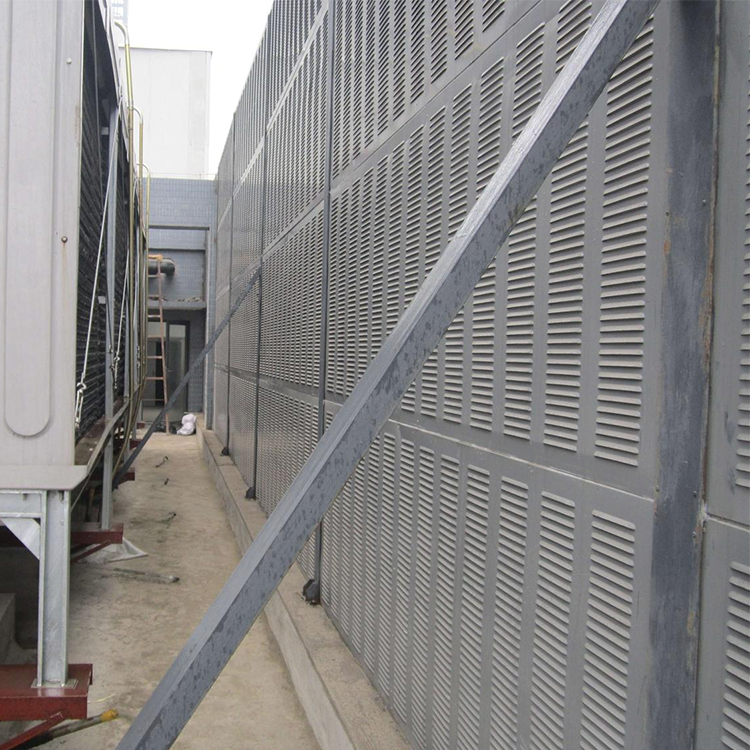
The Real Problem Isn't Noise—It's What the Noise Does to the Music
Walk into any decent-sized music room, and the first thing that hits isn't the volume—it's the smear. That muddy, indistinct quality where a snare hit bleeds into a guitar riff, and the bass feels like it's coming from somewhere behind the left wall. Most people assume the solution is simple: block the sound from getting out. So they put up reflective barriers. Plywood. Drywall. Maybe some mass-loaded vinyl. And sure, the neighbors complain less. But inside the room? The music still sounds like it's fighting itself.
That's because reflective barriers do one thing well: they send sound energy back into the space. They don't absorb it. They bounce it around like a pinball, creating standing waves, flutter echoes, and comb filtering that wrecks the clarity of any performance. A sound-absorbing board, on the other hand, takes that excess energy and dissipates it. The difference isn't subtle—it's the difference between hearing a band and hearing a room that happens to have a band in it.
What Actually Happens When Sound Hits a Reflective Surface
A reflective barrier is, for all practical purposes, a mirror for sound. Hard, non-porous surfaces like concrete, glass, or standard drywall reflect the vast majority of acoustic energy that hits them. The sound wave doesn't disappear—it changes direction and keeps traveling. In a small or medium-sized music room, that reflected energy comes back fast, often within milliseconds of the original sound. The ear perceives this as coloration, not echo. It's a thickening of certain frequencies, a thinning of others, and a general loss of definition.
This is especially problematic for critical listening or ensemble rehearsal. A reflective ceiling, for instance, can create a slap-back that makes transients sound harsh. Parallel reflective walls generate standing waves at specific frequencies—usually in the low-mid range, right where the human voice and most instruments live. The result is a room that sounds“live” in the worst possible way: boomy, harsh, and fatiguing over time. Reflective barriers have their place in acoustic design, but a music room isn't it—not as the primary treatment, anyway.
Why Absorption Changes the Listening Experience Entirely
A sound-absorbing board works on a completely different principle. These panels are made from porous materials—fiberglass, open-cell foam, polyester fiber, or compressed wood wool—that allow sound waves to enter the surface rather than bounce off. Inside the panel, the acoustic energy is converted into tiny amounts of heat through friction as the air molecules move through the material's structure. The sound doesn't come back. It just stops.
For a music room, this changes everything. The direct sound from the instruments or monitors arrives at the listener's ears first and cleanest. The reflected energy, instead of competing with the direct signal, is reduced to a level where it no longer masks detail. This is why recording studios and serious rehearsal spaces rely so heavily on absorption—not to make the room “dead,” but to make it accurate. A properly treated room with sound-absorbing boards allows musicians to hear what they're actually playing, not what the room is doing to their sound.
The Numbers Don't Lie—But They Also Don't Tell the Whole Story
Here's where the technical specs come into play. Sound absorption is measured using the Noise Reduction Coefficient (NRC), a single-number rating that averages a material's absorption across four frequency bands (250, 500, 1000, and 2000 Hz). An NRC of 0.00 means total reflection—think polished concrete. An NRC of 1.00 means total absorption—which doesn't really exist in the real world, though some panels get close.
| Material Type | Typical NRC Range | Best Use Case |
|---|---|---|
| Painted drywall (reflective) | 0.05 – 0.10 | Not recommended for music rooms |
| Plywood paneling (reflective) | 0.10 – 0.15 | Decorative only—minimal absorption |
| Standard acoustic foam panel | 0.60 – 0.80 | Mid/high frequency control |
| Compressed fiberglass board | 0.80 – 0.95 | Broadband absorption, music rooms |
| Polyester fiber panel | 0.75 – 0.90 | Balanced performance, good durability |
A reflective barrier doesn't even register on this scale—it's essentially zero absorption. A quality sound-absorbing board, by contrast, can knock down reverberation time by a measurable margin. But here's the nuance: NRC doesn't tell you how a panel performs at low frequencies, which is where many music rooms struggle. Thicker panels with greater airspace behind them tend to absorb lower frequencies more effectively. So the spec matters, but so does the installation. A panel mounted flush against a reflective wall absorbs less than the same panel spaced a few inches off the wall. That's a detail that separates a decent install from a great one.
One Project That Made the Choice Obvious
A few years back, a community arts organization in the Pacific Northwest converted an old warehouse space into a multi-room music facility. The main rehearsal room was roughly 40 by 30 feet with a 16-foot ceiling—concrete floor, brick walls, metal roof deck. Essentially a giant echo chamber. The initial plan called for reflective barriers on the walls: mass-loaded vinyl sandwiched between layers of drywall, meant to keep sound from leaking into the adjacent classrooms. That part worked. But inside the room, the musicians couldn't hear each other. The guitar player described it as “playing in a trash can.”
The acoustic consultant brought in sound-absorbing boards as a complementary treatment—not replacing the reflective barriers, but adding substantial absorption to the ceiling and the upper portions of the walls. The difference was immediate. Reverberation time dropped from over three seconds to just under one second in the mid-range frequencies. The room went from unusable to the most booked space in the facility within a month. The reflective barriers kept the sound contained. The absorbing boards made the room sound good. They're not either-or—they serve different functions. But for the actual experience of making music, the absorption did the heavy lifting.
When Reflective Barriers Actually Make Sense
None of this is to say reflective barriers are useless. They absolutely have their role in acoustic design. For sound isolation—keeping noise from traveling between rooms or bothering neighbors—mass and density are what matter. A reflective wall with high mass blocks transmission better than a lightweight absorbing panel. So if the goal is to stop sound from leaving the room, reflective construction is part of the answer.
But sound isolation and sound quality are two different problems. A room can be perfectly isolated from the outside world and still sound terrible inside. The reflective barrier stops the sound from going out; the absorbing board stops it from bouncing around inside. The honest recommendation for any music room is to think in layers: build the shell for isolation (that's where reflective mass comes in), then treat the interior for clarity (that's where absorbing boards take over). Skipping either step leaves the room incomplete.
KHL manufactures a range of acoustic products designed for exactly this kind of application. The company's manufacturing capabilities span multiple material types, and their quality control processes ensure consistent performance across production runs—something that matters when a room's acoustic treatment needs to perform predictably, not just on paper.
Table of Contents
- The Real Problem Isn't Noise—It's What the Noise Does to the Music
- What Actually Happens When Sound Hits a Reflective Surface
- Why Absorption Changes the Listening Experience Entirely
- The Numbers Don't Lie—But They Also Don't Tell the Whole Story
- One Project That Made the Choice Obvious
- When Reflective Barriers Actually Make Sense