
 EN
EN



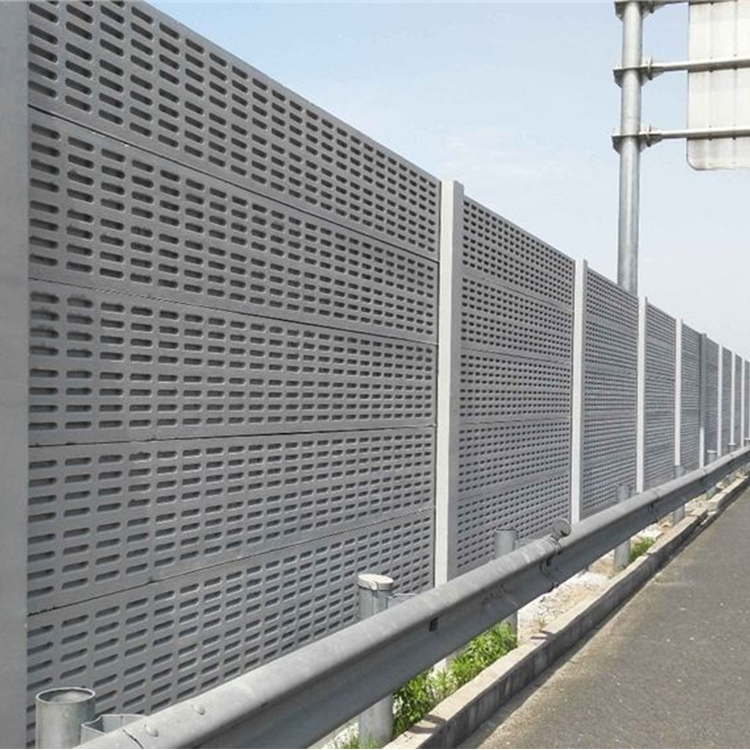
O Desafio Único do Ruído Roda-Trilho
O ruído ferroviário não é o mesmo tipo de ruído que o rodoviário. Qualquer pessoa que já tenha ficado ao lado dos trilhos enquanto um trem de carga passa sabe bem a diferença: há um guincho e um ronco característicos provenientes da zona de contato entre a roda de aço e o trilho de aço. Esse é o ruído roda-trilho, e constitui a principal fonte de ruído ferroviário nas áreas adjacentes à via, na maioria das condições operacionais.
O que o torna complicado é a altura da fonte. O ruído roda-trilho irradia perto do nível do solo, o que significa que barreiras convencionais altas, eficazes para tráfego rodoviário — cuja fonte está mais elevada — não se aplicam diretamente. A fonte de ruído é baixa, os receptores costumam estar elevados (pense em edifícios residenciais de vários andares) e a geometria cria um problema de difração que os projetos convencionais de barreiras têm dificuldade em resolver.
Proteger a fonte de ruído é uma forma eficaz de reduzir o ruído roda-trilho em ferrovias de alta velocidade. Contudo, o modo como isso é feito é extremamente importante. Uma barreira que bloqueia a linha de visão até o ponto de contato roda-trilho proporciona alguma redução. Já uma barreira projetada especificamente para o conteúdo de frequência e o padrão de irradiação desse ruído proporciona uma redução muito maior.
De onde realmente provém o ruído roda-trilho
Para reduzi-lo, é necessário compreender o que o gera. O ruído de rolamento — o componente principal do ruído roda-trilho — resulta das vibrações geradas na roda e no trilho enquanto rolam um sobre o outro. A área de contato não é perfeitamente lisa; a rugosidade microscópica em ambas as superfícies excita vibrações em uma ampla faixa de frequências.
A roda vibra como um sino. O trilho vibra como uma viga. E ambos irradiam som. Em velocidades mais altas, a contribuição do ruído de rolamento predomina. Em velocidades mais baixas, o ruído de frenagem e o ruído de tração tornam-se mais proeminentes. Contudo, na maioria das operações ferroviárias principais em velocidades moderadas a altas, o ruído de rolamento é o fenômeno predominante.
O conteúdo de frequência é importante porque determina com que eficácia uma barreira pode atenuar o som. Componentes de alta frequência decaem mais rapidamente com a distância e são mais fáceis de bloquear com uma barreira. Componentes de baixa frequência — que transportam mais energia e se propagam por distâncias maiores — são muito mais difíceis de impedir. É por isso que uma barreira que funciona bem para trens de passageiros a 300 km/h pode ser menos eficaz para operações ferroviárias de carga a velocidades mais baixas, nas quais o perfil de frequência se desloca.
Altura da Barreira e o Problema da Fonte Baixa
A baixa altura da fonte do ruído roda-trilho cria um desafio geométrico. Uma barreira precisa ser suficientemente alta para interromper a linha de visão entre o ponto de contato roda-trilho e o receptor. Contudo, em muitas linhas ferroviárias — especialmente em áreas urbanas — existem restrições quanto à altura máxima permitida para uma barreira: requisitos de folga, impacto visual, cargas de vento e custos estruturais.
É aqui que entra o conceito de "saia". Uma saia é um elemento de barreira que se estende para baixo a partir da carroceria do veículo ou para cima a partir do trilho, reduzindo efetivamente a altura da fonte ou elevando a altura da barreira no nível crítico mais baixo. Estudos sobre configurações de saias revelaram que saias do tipo Y proporcionam um desempenho de redução de ruído mais forte do que saias do tipo T nas mesmas condições. Aumentar a espessura da face final da saia também é benéfico para isolar eficazmente o ruído.
O grupo de pesquisa TNO, nos Países Baixos, descobriu que uma barreira de 60 centímetros de altura, posicionada próximo ao trilho e combinada com encapsulamentos parciais em torno das rodas e dos bogies, pode reduzir o ruído ferroviário em 6 a 8 decibéis. Trata-se de uma redução considerável obtida com uma intervenção física relativamente modesta — e funciona exatamente porque ataca a fonte no seu ponto mais baixo.
Absorção versus reflexão no contexto ferroviário
O debate entre barreiras absorventes e refletivas se desenrola de maneira diferente em aplicações ferroviárias do que em rodovias. Em um ambiente rodoviário, a fonte está distribuída ao longo de uma linha de veículos em movimento, em alturas variáveis. Em um ambiente ferroviário, a fonte está concentrada na interface roda-trilho, próxima ao solo, e o padrão de radiação é mais direcional.
Essa concentração significa que barreiras refletivas podem causar problemas. O som que rebate em uma barreira refletiva de um lado da via férrea pode atravessar para o outro lado e refletir novamente, gerando um acúmulo de energia sonora no corredor entre as vias. Em configurações de barreiras paralelas — comuns em estruturas ferroviárias elevadas — barreiras absorventes podem reduzir significativamente, ou até eliminar, a degradação de desempenho causada por essas múltiplas reflexões.
Uma investigação experimental realizada com um modelo em escala 1:4 de uma locomotiva alemã BR185 testou várias combinações de saias montadas no veículo e barreiras laterais baixas ao longo da via. A perda de inserção foi consistentemente medida entre 2 e 3 decibéis tanto nos casos com apenas saias no veículo como nos casos com apenas barreiras laterais baixas na via. Quando combinadas, os efeitos foram aditivos — nem sempre de forma perfeita, mas suficientemente para gerar uma diferença significativa.
O Papel dos Materiais Absorventes na Própria Via
Eis algo que não recebe atenção suficiente: a barreira não é o único local onde a absorção importa. A colocação de material absorvente sobre a laje da via ou entre os trilhos pode potencializar o efeito global de redução de ruído. Isso é particularmente relevante em sistemas de via em laje, nos quais a superfície de concreto reflete o som em vez de absorvê-lo.
Testes em configurações de via férrea sobre lastro contínuo com uma camada de material absorvente sobre a laje da via demonstraram melhorias mensuráveis. A absorção não apenas reduz o som que atinge a barreira — ela também reduz o som que se reflete dentro da própria estrutura da via antes mesmo de chegar à barreira.
A combinação de absorção ao nível da via e uma barreira bem projetada cria uma redução em duas etapas: capturar o som na fonte e, em seguida, bloquear o que restou. É por isso que abordagens integradas superam consistentemente soluções com uma única medida.
Um caso prático: viaduto ferroviário urbano com folgas reduzidas
Um projeto em uma cidade asiática densamente povoada envolveu um viaduto de metrô entre torres residenciais, com restrições de folga que tornavam inviáveis barreiras altas. A altura máxima permitida para a barreira era de apenas 1,8 metro acima da via — quase insuficiente para proteger o ponto de contato roda-trilho de receptores ao nível do solo, muito menos os andares superiores dos edifícios vizinhos.
A equipe de projeto adotou uma abordagem em camadas. Primeiro, instalou material absorvente na laje da via férrea entre os trilhos para reduzir a intensidade da fonte. Segundo, utilizou uma saia em forma de Y no lado do veículo — não uma barreira completa, mas uma extensão direcionada que reduziu a altura efetiva da fonte. Terceiro, combinou essa solução com uma barreira baixa ao longo da via férrea, cuja face interna era absorvente.
O efeito combinado foi medido em aproximadamente 7 a 8 dB de perda por inserção nas posições dos receptores mais próximos. Não é impressionante segundo os padrões de barreiras rodoviárias, mas é significativo num contexto em que cada decibel conta e em que a alternativa — nenhuma barreira — teria gerado reclamações contínuas e infrações regulatórias.
O que as normas exigem
As normas ferroviárias chinesas estabelecem um critério claro. A norma TB/T 3122-2005 especifica que os componentes acústicos das barreiras ferroviárias devem apresentar um coeficiente de redução sonora de, no mínimo, 0,70. Trata-se de um limiar mais elevado do que o valor 0,5 exigido para barreiras rodoviárias gerais pela norma HJ/T 90-2004. , refletindo o ambiente acústico mais exigente das aplicações ferroviárias.
A norma também exige ensaios conforme GB/T 20247-2006 para medições de absorção sonora em sala reverberante. Estes não são meros formalismos burocráticos — garantem que os materiais utilizados numa barreira realmente desempenhem conforme especificado após a instalação no local.
| Medida de mitigação | Contribuição típica de IL | Melhor Aplicação | Compensação Principal |
|---|---|---|---|
| Somente saia montada no veículo | 2–3 dB | Ferrovia urbana de baixa velocidade | Limitado pela folga entre o veículo e a via |
| Somente barreira de baixa altura junto à via | 2–3 dB | Via ao nível do solo | Requer espaço ao longo da via |
| Saias combinadas + barreiras | 6–8 dB | Viadutos e locais com restrições | Custo e complexidade mais elevados |
| Material absorvente para a laje da via | 1–3 dB (aditivo) | Sistemas de via em laje | Restrições de acesso para instalação |
| Saia em Y versus saia em T | Desempenho superior | Todas as aplicações ferroviárias | A complexidade do projeto |
Os Limites das Soluções Baseadas Apenas em Barreiras
Uma barreira acústica ferroviária é uma ferramenta poderosa, mas não constitui uma solução completa. O ruído roda-trilho também pode ser reduzido na fonte por meio de retificação do trilho, amortecedores de roda e materiais aprimorados para blocos de freio. Um protótipo de ponte que incorporava modificações nos fixadores de trilho, barreiras absorventes e absorvedores de vibração do trilho alcançou reduções de -10 dB(A), -8 a -10 dB(A) e -3 a -4 dB(A), respetivamente.
O ponto é que as barreiras funcionam melhor como parte de um sistema. Uma barreira isolada pode proporcionar reduções significativas — especialmente quando projetada especificamente para a geometria de baixa altura da fonte de ruído roda-trilho. Contudo, quando combinada com medidas aplicadas diretamente na fonte, a redução total é maior do que a soma das partes.
Fabricantes que compreendem tanto os princípios acústicos quanto as realidades práticas da instalação ferroviária fazem uma diferença real. A Kanghailong construiu uma reputação de fabricação precisa e consistência de materiais, o que é essencial quando cada milímetro de alinhamento e cada especificação de material afetam o resultado acústico final.
Sumário
- O Desafio Único do Ruído Roda-Trilho
- De onde realmente provém o ruído roda-trilho
- Altura da Barreira e o Problema da Fonte Baixa
- Absorção versus reflexão no contexto ferroviário
- O Papel dos Materiais Absorventes na Própria Via
- Um caso prático: viaduto ferroviário urbano com folgas reduzidas
- O que as normas exigem
- Os Limites das Soluções Baseadas Apenas em Barreiras