
 EN
EN



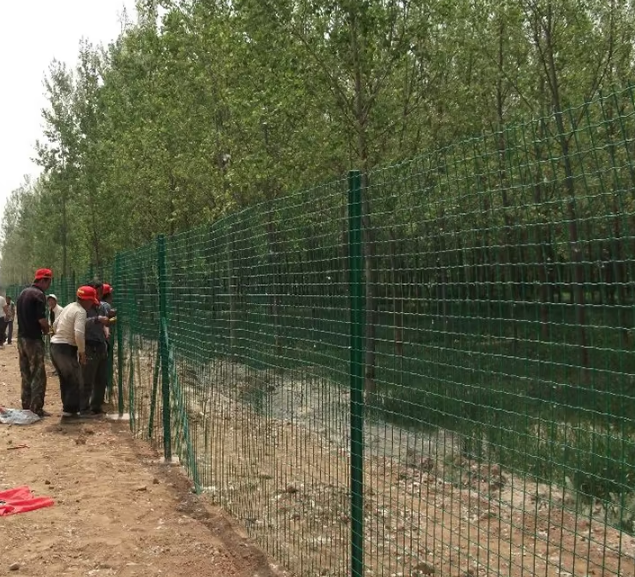
Picking the right wire fence for your animals can get confusing fast. You walk into a supply store and see all those numbers like 9, 12, 14, 16 stamped on different rolls. What do those numbers even mean? Here is the trick. On a wire gauge, the smaller the number, the thicker and stronger the wire. So a 9 gauge wire is much thicker and tougher than a 14 gauge wire. Once you get that, everything else starts to make sense.
The right wire fence keeps your livestock safe and stops them from wandering off. The wrong one can lead to broken fences, escaped animals, and a whole lot of headaches. Kanghailong carries fencing options for all kinds of farming setups. Let us walk through which gauge works best for different animals.
Cattle and horses need heavy duty wire
Big animals need big strength. Cattle and horses are powerful. They can lean on fences, rub against them, or even charge when spooked. For these guys, you want something in the 9 to 12 gauge range. Many farmers go with 12.5 gauge high tensile wire because it gives you a great mix of strength and flexibility. Some setups use a 10 gauge top and bottom wire with 12.5 gauge filler wire in between. That gives extra reinforcement where animals push the hardest.
I have seen people try 14 gauge for cattle and regret it later. That thinner wire just cannot handle the constant pressure. Your wire fence needs to stand up to years of big animals leaning and pushing. So do not go cheap on the thickness here. Spend a little more upfront and save yourself from fixing broken fence sections every few months.
Sheep and goats do well with medium gauges
Sheep and goats are smaller and lighter than cattle. They also tend to test fences differently. Goats especially love to push their heads through gaps and climb. For these animals, a 14 to 16 gauge wire usually works just fine. Some sheep fences use 13 gauge wire with stiff stay knots to keep smaller animals contained while staying flexible enough to handle impacts.
The funny thing about goats is they test the wire fence in sneaky ways. They look for weak spots. They try to squeeze through. So while a lighter gauge works, you still want decent quality. A 14 gauge option gives you a good balance between affordability and reliability for smaller livestock.
Pigs and hogs require graduated spacing
Pigs are strong. Really strong. And they root along the bottom of fences trying to push their way under. A good wire fence for hogs often uses graduated spacing narrower wires at the bottom to stop nose shoving, wider gaps higher up. For wire thickness, many hog fences use 12.5 gauge or 14 gauge wire throughout.
The bottom section matters more than anything with hogs because that is where they attack the fence. If your wire fence has big gaps near the ground, pigs will find a way under. Some farmers add a buried wire along the bottom just to be safe. A thicker gauge wire at the base gives you extra peace of mind against those stubborn rooting behaviors.
Small livestock like llamas and alpacas
Llamas and alpacas are not as heavy as cattle, but they can still push against fences fairly hard. They also have long necks and might try to reach over. A 14 gauge wire fence often does the job for these animals. But consider the spacing too. These animals can get their heads stuck if the gaps are too wide, so mesh size matters just as much as wire thickness.
I have seen llamas panic inside a fence with big openings. They try to pull their heads back and end up hurting themselves. So when you pick a wire fence for them, go with something that has smaller gaps even if the gauge is a bit lighter. Safety first.
Terrain and weather affect your choice
Where you live changes everything. Rocky ground? Steep hills? Lots of snow? Your wire fence needs to handle your local conditions. Uneven ground works better with lighter gauges that have some flexibility. Stiff, heavy gauge panels can be a nightmare to install on hilly land.
High wind areas and areas with heavy snow loads need stronger fences. A 12.5 gauge high tensile wire holds up well in tough weather and can last 20 to 25 years with proper galvanization. Cheaper wire with poor coating might start rusting after just seven or eight years. So look for good galvanized coating even if the gauge is right.
Make the right call for your farm
So how do you decide? Think about your animals first. Big cattle and horses need thick wire in the 9 to 12 gauge range. Sheep and goats work fine with 14 to 16 gauge. Hogs need strong bottom sections to stop rooting. Then think about your land and weather. Hard conditions call for higher quality wire even if the gauge seems okay.
A proper wire fence built with the right gauge lasts for decades. Kanghailong offers a range of fencing solutions for all kinds of farm needs. Take a good look at your property. Watch how your animals behave around fences. Talk to other farmers nearby. That real world advice beats anything you read on a spec sheet.
Both thick and thin wire fences have their places. Just match the gauge to the job. Your animals stay put. You sleep better at night. And you are not out there fixing broken fence every other week. That sounds like a win to me.