
 EN
EN



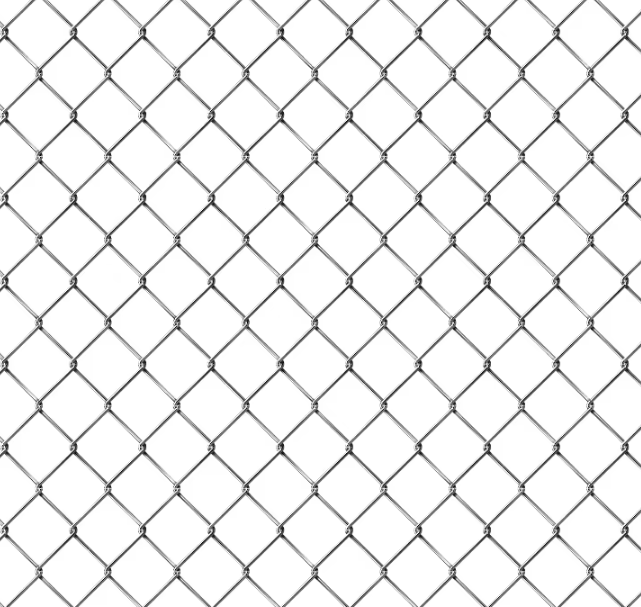
Mülkünüz üçün doğru tel qəfəsini seçmək bir az çətin ola bilər. Siz zəncirli qafas qəfəsinə baxırsınız. Siz qaynaq edilmiş tel qəfəsinə baxırsınız. İlk baxışdan hər ikisi bir-birinə bənzəyir. Amma inanın, bir az dərindən baxsanız, onların tamamilə fərqli qurulduğunu görəcəksiniz. Hər biri öz sahəsində parlayır. Yanlış seçim sizə gələcəkdə daha çox pul xərclətməyə səbəb ola bilər və ya sadəcə lazım olan işi görməyə bilər. Gəlin bu iki qəfəsin necə fərqləndiyini aydınlaşdıraq ki, vəziyyətinizə ən uyğun olanı seçəsiniz.
Tel qəfəslərin qurulma üsulları
Bunu necə istehsal etdiyinə baxaq, çünki bu, hər şeyi müəyyən edir. Zəncirli qafas qırıq prosesi ilə hazırlanır. Siz polad tel götürür və onu hamıya tanış olan klassik romb nümunəsinə daxil edirsiniz. Bu, bir-birinə toxunaraq örülmüşdür və elastik hiss verir. Ona basdıqda o, bir qədər yerdəyişməyə meyllidir. Bu çeviklik onun qırılmadan bəzi təzyiqləri udmasına kömək edir.
Qaynaqlanmış tel qafası tamamilə fərqli bir yanaşma tətbiq edir. Burada üfüqi və şaquli tellər bir-birini kəsir. Onların kəsişdiyi hər bir nöqtə qaynaqlanır. Bu qaynaqlanmış birləşmələr sərt bir şəbəkə strukturu yaradır. Bütün quruluş sabitləşir. O, titrəşmir və əyilmir. Nəticədə möhkəm, hərəkətsiz panel alınır. Kanghailong hər iki növü təklif edir, beləliklə layihəniz üçün lazım olanı tapa bilərsiniz.
Bunu belə düşünün: zəncirli qafas xəzli sviter kimidir — onda bir qədər uzanma və elastiklik var. Qaynaqlanmış tel qafası isə metal pilləkən kimidir — yerində tam olaraq qalır.
Güclülük və təhlükəsizlik müqayisəsi
İşlər burada həqiqətən maraqlı olur. İnsanları həqiqətən daxil olmaqdan saxlamaq üçün bir çəpərə ehtiyacınız varsa, qaynaqlanmış tel tor daha ağır və güclü seçimdir. Hər bir tel kəsişməsi qaynaqlanaraq bir-birinə bərkidildiyi üçün onu sadəcə əyib açmaq mümkün deyil. Əgər birisi qaynaqlanmış teli qayçı ilə kəsməyə çalışarsa, bu proses çox uzun çəkir. Torun şəbəkəsi sərt qaldığı üçün insanın keçə biləcəyi kimi böyük bir dəlik yaratmaq çox çətin olur. Bu da təhlükəsizlik komandalarına pozulmanın aşkar edilməsi üçün kifayət qədər vaxt verir.
Zəncirli çəpər əsas təhlükəsizlik üçün yaxşı işləyir. O, dürüst insanları xaricdə saxlayır və əmlak sərhədinizi aydın şəkildə göstərir. Lakin əgər kiminsə daxil olmaq istəyi çox güclüdirsə, zəncirli çəpəri kəsmək və ya ondan keçmək çox daha asandır. Weaving diametri şəbəkəsi kəsilə bilər və bir tel kəsildikdə, zamanla bütün struktura təsir edərək dağılmağa başlaya bilər. Bununla belə, zəncirli çəpərin üstünə tikanlı tel və ya pırasalı tel əlavə edərək təhlükəsizliyi artırmaq mümkündür. Amma öz-özünə qaynaqlanmış tel sadəcə daha yaxşı müdafiə imkanı təmin edir.
Hava limanları, elektrik stansiyaları və ya hökumət binaları kimi yüksək təhlükəsizlik tələb edən yerləri axtarın. Onların ətrafında demir tel çəpərlər görməyiniz demək olar ki, həmişə ehtimal olunur. Bunun səbəbi var.
Görünüş və açıq havada istifadə
Onların necə göründüyündən və müxtəlif hava şəraitinə necə dözüklüyündən danışaq. Zəncirvari çəpərlər şəffafdır. Tel çəpərdəki romb nümunəsinin içindən birbaşa görə bilərsiniz. Bunu bəziləri bəyənirlər, çünki gözəl arxa bağ və ya peyzajın görünüşünü qapatmır. Lakin başqaları bu açıqlığa görə heç bir gizlilik təmin etmədiyi üçün ondan nifrət edirlər. Görünüşü qapatmaq üçün gizlilik lövhələri əlavə edə və ya görünüşü bağlamaq üçün üzərində bitkilər yetişdirə bilərsiniz, lakin bu əlavə iş və xərc tələb edir.
Qaynaqlanmış tel çəpərlər daha təmiz və daha müasir görünür. Düzbucaqlı şəbəkə nümunəsi düzgün, bərabər görünüşə malikdir. Onları müxtəlif rənglərdə örtülmüş halda da əldə edə bilərsiniz. Bir çox insan ön bağlarda və bağlarda daha yaxşı göründüyünə görə qaynaqlanmış tel çəpərlərini seçirlər. Bu çəpərlər peyzajla daha yaxşı uyğunlaşır və sənaye hissi vermir.
Hava şəraitinə davamlılıq? Zəncirli qafas, havanın içindən keçməsi səbəbindən küləyə çox yaxşı müqavimət göstərir. Kiçik göz ölçülü toxunmuş simli lövhələr isə yelkən kimi küləyi tutaraq küləyə qarşı zəif müqavimət göstərə bilər. Daha böyük tor açıqları bu problemi hafiflendirir. Hər iki növ, paslanmaya qarşı müqavimət təmin etmək üçün qalvanizlənə və ya PVC ilə örtülə bilər; buna görə də hər ikisi xarici şəraitdə uzun müddət xidmət edə bilər.
Büdcə və Qiymət Fərqləri
Siz böyük miqdarda çit quraşdırarkən pul həmişə vacib rol oynayır. Burada sadə həqiqət budur: zəncirli çitlərin başlanğıc qiyməti daha aşağıdır. Materiallar daha ucuzdur. Quraşdırılma prosesi daha sürətli gedir, çünki toru postlar arasına gerdirib yaymaq asandır. Bu da işçilik vaxtını azaldaraq xərcləri aşağı salır. Fermerlik sahələri və ya anbarlar kimi böyük əmlaklar üçün bu qiymət fərqi tez bir zamanda ciddi miqdarlara çatır. Siz büdcənizi boşaltmadan böyük sahələri örtə bilərsiniz.
Qaynaqlanmış tel çit almaq daha bahalıdır. Qaynaq prosesi və sərt panel istehsalı sadəcə daha çox dəyər tutur. Quraşdırma da hər bir paneli diqqətlə qoymaq lazım olduğu üçün daha çox vaxt aparır. Lakin burada uzunmüddətli baxış bucağı var. Qaynaqlanmış tel illər ərzində nadir hallarda aşağı salınır və ya uzanır. Zəncirvari çit, gərginlik azaldıqda on il sonra postlar arasındakı hissələrdə aşağı doğru əyilməyə başlaya bilər. Əgər bu çiti iyirmi il saxlamağı planlaşdırırsınızsa, qaynaqlanmış tel uzun müddət ərzində təmir və dəyişdirilmə üzrə xərclərinizi azalda bilər.
Vaxt planınızı nəzərdən keçirin. Qısamüddətli büdcə? Zəncirvari çit seçin. Az qulluq tələb edən uzunmüddətli investisiya? Qaynaqlanmış tel vaxt keçdikcə daha yaxşı görünür.
Müxtəlif relyeflərdə çeviklik
Burada əksər insanlar tərəfindən nəzərə alınmayan böyük praktik fərq var. Zəncirli qafaslar bərabərsiz torpaqla çempion kimi mübarizə aparır. Wevlenmiş tor, heç bir problemlə qarşılaşmadan yuxarı-aşağı enən təpələr boyu meylli ola bilər. Siz onu yalnız relyef boyu germəlisiniz. O, çuxurlara və yüksəkliklərə təbii şəkildə əyilir və uyğunlaşır. Bu xüsusiyyət onu kənd əmlakı, parklar və ya tamamilə düz olmayan hər hansı bir sahə üçün mükəmməl edir.
Qaynaq edilmiş tel panelləri sərt-dir. Onlar əyilmir. Əgər torpağınız yuxarı-aşağı gedirsə, panelləri kiçik hissələrə kəsməli və ya pilləkən kimi yerləşdirməlisiniz. Bu, daha çox dayaq, daha çox kəsmə və daha çox pul tələb edir. Qaynaq edilmiş tel yalnız düz, səviyyəli səthlərdə, burada panelləri sadəcə düz xətt boyu yerləşdirə biləcəyiniz yerlərdə ən yaxşı işləyir.
Əgər bağlınızda dik bir təpə və ya qabarıq yerlər varsa, zəncirli qafas getmək üçün daha asan və ucuz yoldur.
Sizin əmlakınız üçün son qərarın verilməsi
Onda necə qərar verməlisiniz? Özünüzdən bir neçə sadə sual verin.
Ciddi təhlükəsizlik tələb olunursa, qaynaq edilmiş tel seçin. O, kəsməyə və çıxmağa çox daha yaxşı müqavimət göstərir.
Büdcənizi diqqətlə izləyirsiniz? Zəncirvari qafasın başlanğıc qiyməti daha aşağıdır.
Daha yaxşı görünüş istəyirsiniz? Qaynaqlanmış tel daha təmiz və müasir görünür.
Sahəniz enli və ya təpəli yerlərdən ibarətdirsə? Zəncirvari qafas meylləri peşəkar şəkildə idarə edir.
Qapalı qəbuledici qurğudan keçən görüşü saxlamaq istəyirsiniz? Zəncirvari qafas görüşü açıq saxlayır. Kiçik gözə malik qaynaqlanmış tel isə daha çox görüş xəttini bloklar.
Kanghailong hər iki variantı təklif edir, beləliklə sahənizə tam uyğun gələn məhsulu seçə bilərsiniz. Doğru növü torpaq şəraitinə, təhlükəsizlik tələblərinizə və büdcənizə uyğun seçsəniz, yaxşı bir tel qapısı on illər boyu xidmət edə bilər. Sahənizin ətrafında gəzin. Meylləri müşahidə edin. İçəriyə və ya xaricə kimin və ya nəyin qalması lazım olduğunu düşünün. Bu, sizi hər zaman doğru qapıya yönəldəcək.
Zəncirvari qafas və qaynaqlanmış tel qapıları öz işlərini yaxşı yerinə yetirirlər. Sadəcə fərqli işlər görür. Kataloqda yaxşı görünən deyil, həqiqi ehtiyaclarınıza uyğun olanı seçin. Sahəniz bunun üçün sizə sonradan minnətdar olacaq.