
 EN
EN



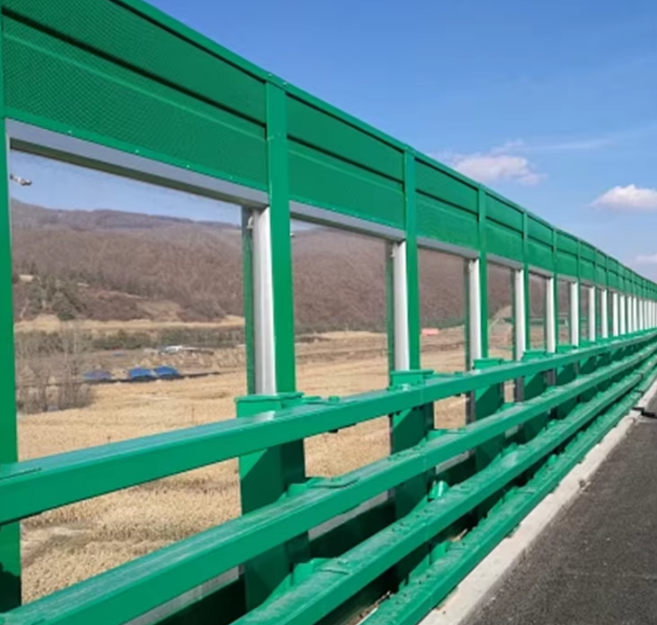
Heç vaxt alışveriş mərkəzinin nə qədər gürültülü ola biləcəyini fərq etmisinizmi? HVAC qurğuları, çatdırılma avtomobilləri və açıq havada toplanan insanlar arasında səs səviyyəsi yüksəlir. Əgər yaxınlıqda yaşayış binaları varsa, səs problemi real xarakter daşıyır. Bu halda səs Maneəsi kömək edir. Lakin düzgün uzunluq təmin edilmədikdə səs bariyerin ucundan keçərək yayılır. Burada bunu müəyyən etmək üçün sadə bir üsul təqdim olunur.
Əvvəlcə əsas səs mənbələrini müəyyən edin
Birincisi, mallın ətrafında gəzin və dinləyin. Hansı sahələr ən çox səs çıxarır? Adətən bu, yükləmə dokku, damda yerləşən avadanlıq, avtomobil dayanacaq sahəsi və ya açıq havada yemək yeyilən yerlərdir. Hər bir səs mənbəyi fərqli səs güclü və tənziliyə malikdir. Soyuducudan gələn alçaq hum səsi yük maşınının siqnallarından fərqlidir. Mallın hansı tərəfinin evlərə və ya məktəblərə baxdığını bilməlisiniz, çünki bu tərəflər ən çox qorunma tələb edir. Həmçinin hər bir səs mənbəyinin hündürlüyünü yoxlayın. Torpaq səviyyəsində yerləşən dokku, damda yerləşən avadanlıqdan bloklanması daha asandır. Yaxşı səs maneəsi yalnız siz nəyin bloklanacağını bildiyiniz halda işləyir.
Səsin maneələrin ətrafında necə əyildiyini başa düşün
Səs yalnız düz qabağa getmir. O, əyilir və mühəndislər bunu difraksiya adlandırırlar. Divarın arxasında dayanıb hələ də danışığı eşidə bilməyinizi təsəvvür edin. Bu, səsin divarın üstündən əyilməsidir. Eyni şey maneənin ucunda da baş verir. Əgər maneənizin yanları çox qısa olarsa, səs onların ətrafından keçər. Buna uclarda effekt deyilir. Bunun qarşısını almaq üçün maneənin uzunluğunu mallın divarı ilə eyniləşdirmək kifayət deyil. Siz hər iki ucunu daha da uzatmalısınız. Hediyyə qabına qəğız sararkən bunu təsəvvür edin: qəğız qutudan uzun olmalıdır, yoxsa küncü görünər.
Minimum uzunluğu sadə qaydalara əsasən hesablayın
Mühəndislikdən bir əsas qaydayla başlayın: səs maneəsi, hündürlüyündən ən azı beş dəfə uzun olmalıdır. Məsələn, əgər maneə 4 metr hündürdürsə, onun uzunluğu ən azı 20 metr olmalıdır. Lakin bu yetərli deyil. Həmçinin hər iki tərəfə əlavə uzunluq da əlavə etmək lazımdır. Yayğın üsuldan biri, maneə ilə mall divarı arasındakı məsafənin üç dəfəsini və ya dörd dəfəsini hər ucuna əlavə etməyi tövsiyə edir. Beləliklə, əgər maneə binadan 10 metr uzaqda yerləşirsə, hər ucuna 30–40 metr əlavə edin. Bu, səsin maneənin yanından keçməsini qarşısını alan düzgün akustik kölgə yaradır.
Yan uzantılar üçün 15 dərəcəlik bucaq texnikasından istifadə edin
Burada praktik bir üsul var. Mallı yuxarıdan aşağıya baxın. Səs mənbəyindən qorumaq istədiyiniz ən uzaq nöqtəyə qədər düz xətt çəkin. Sonra təklif olunan maneənin ucundan xaricə doğru 15 dərəcəlik bucaq ilə xətt çəkin. Bu 15 dərəcəlik xəttin ilk düz xətti kəsdiyi yer maneənin ucunun həqiqi yeridir. Bu, səsin yan tərəfdən dolanmasını dayandırır. Bunu kağız üzərində və ya sadə bir eskizlə sınaya bilərsiniz. Beləliklə, çox və ya az maneə tikməkdən qorxmağınız lazım qalmır. Yaxşı yerləşdirilmiş səs maneəsi materialdan qənaət edir və daha effektiv işləyir.
Çoxsaylı səs mənbələrinə və yayılmış səhvlərə diqqət edin
Səs-küyün yalnız bir nöqtədən gəldiyini fərz etməyin. Mallın bir çox səs-küy mənbəyi var: dövlət sahəsindəki yük maşını, damdakı ventilyator, yan tərəfdəki generator. Hər biri üçün ayrı-ayrılıqda hesablama aparılmalıdır. Ən pis halı nəzərə alın. Bir mənbə üçün 50 metrlik uzatma, digəri üçün isə yalnız 20 metrlik uzatma tələb olunursa, böyük rəqəmi istifadə edin. Həmçinin, yayğın səhvlərdən qaçının. Şüşə pəncərələr və ya metal sunuç kimi əks etdirici səthlər səsi yanlara doğru əks etdirə bilər. Düzensiz torpaq səs yollarını dəyişə bilər. Səs maneəsindəki boşluqlar səsin keçməsinə səbəb olur. Ətrafınızı həmişə yoxlayın. Hər iki ucunda bir qədər əlavə uzunluğa malik bərk səs maneəsi əksər hallarda iş görəcək.
Hamısını Bir araya gətirmək
Alışveriş mərkəzinin ətrafında səs maneəsinin doğru uzunluğunu təyin etmək çətin deyil. Birincisi, səs mənbələrinizi bilin. İkincisi, səsin uc nöqtələrindan ətrafına doğru əyilməsini nəzərə alın. Üçüncüsü, beş dəfə hündürlük qaydasından və yan uzantılardan istifadə edin. Dördüncüsü, 15 dərəcəlik bucaq üsulunu sınayın. Beşincisi, bir neçə səs mənbəyini nəzərə alın və əks etdiricilərdən və boşluqlardan çəkinin. Bu addımları izləyərək, səsi effektiv şəkildə nəzarət altına alan bir maneə layihələyə bilərsiniz.