EN




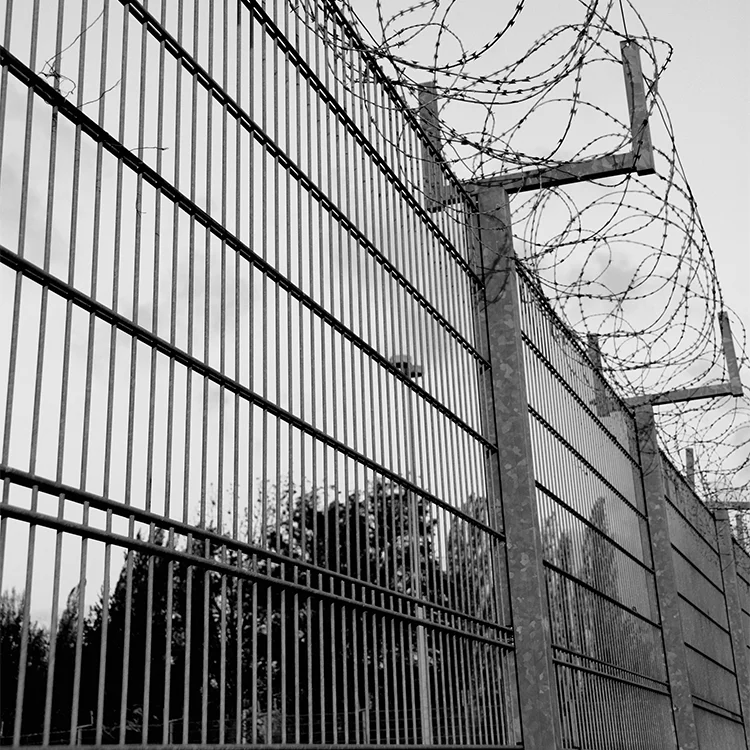
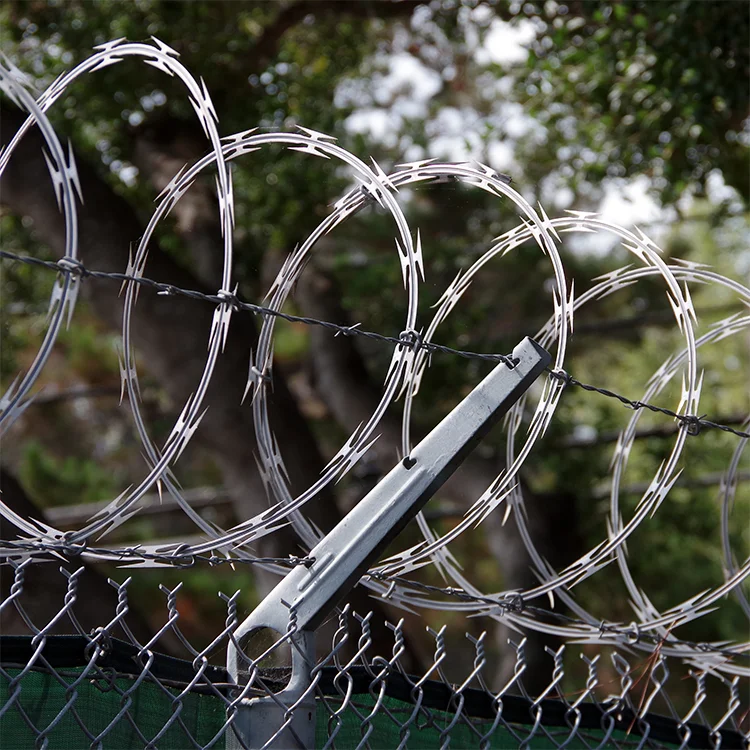
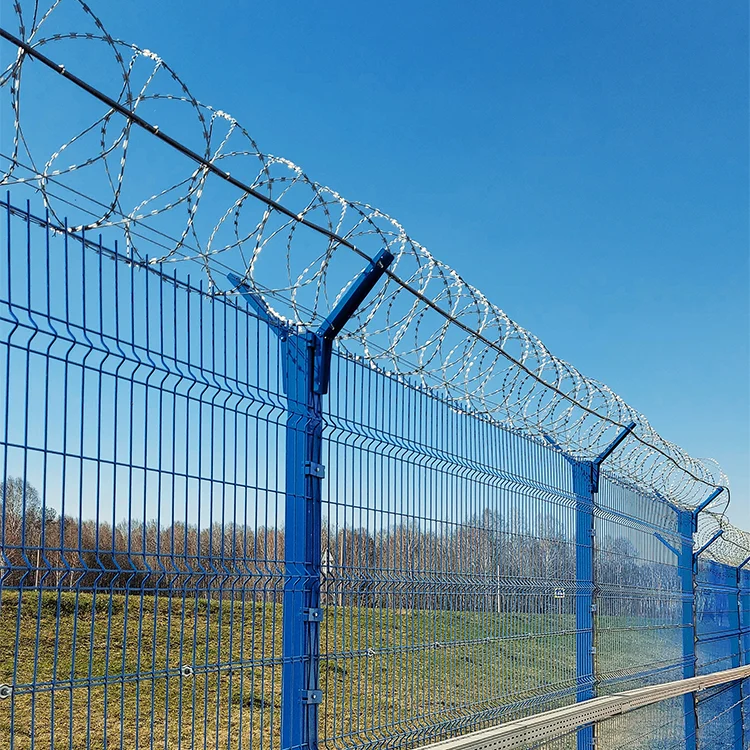
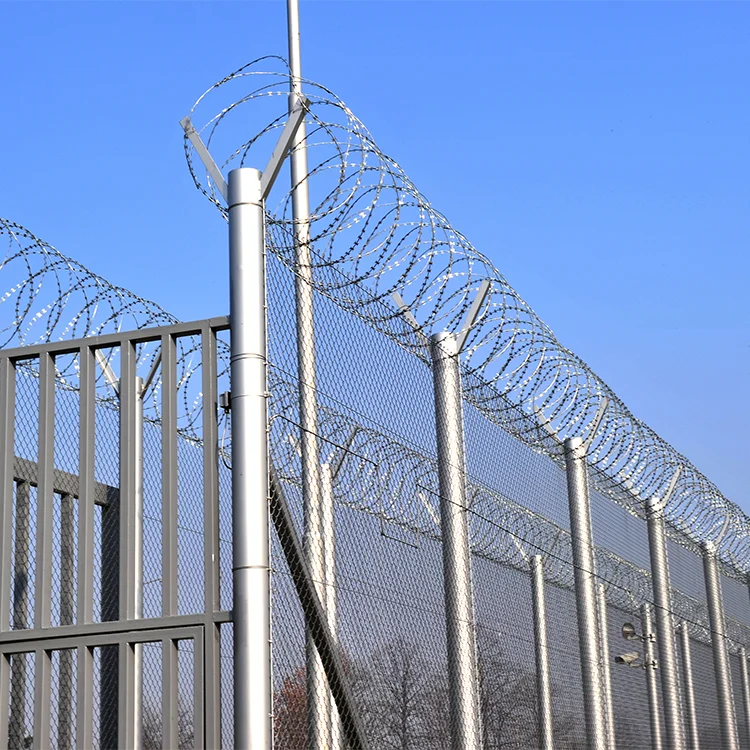
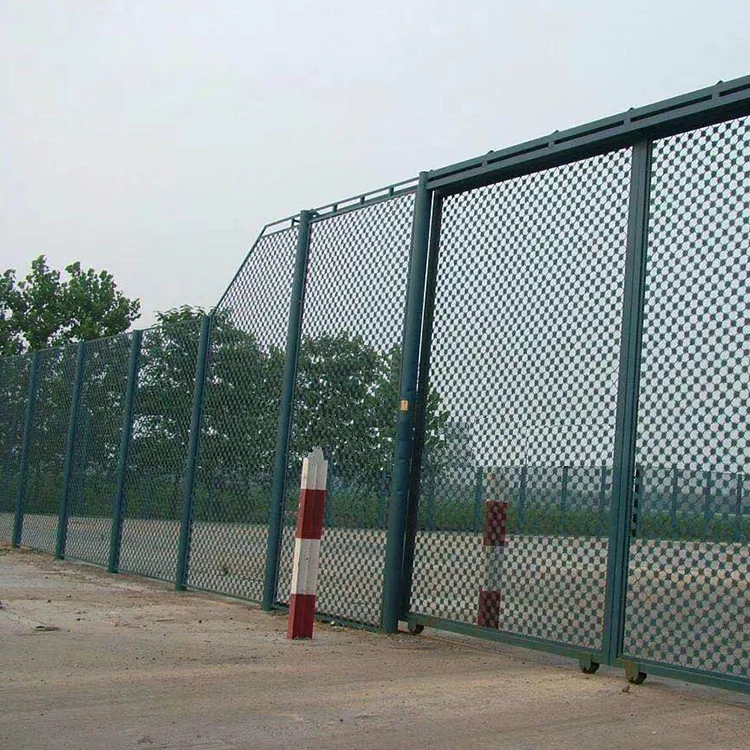
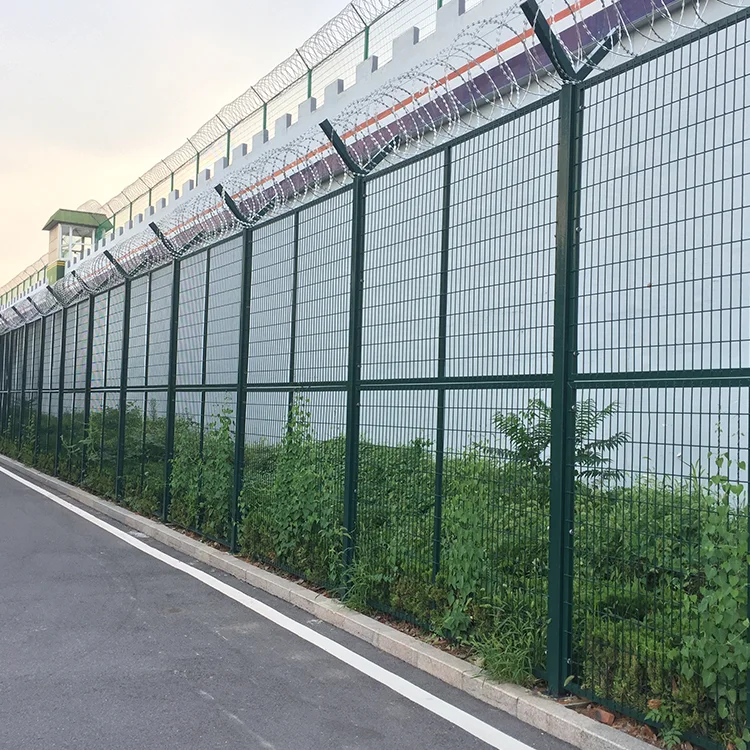
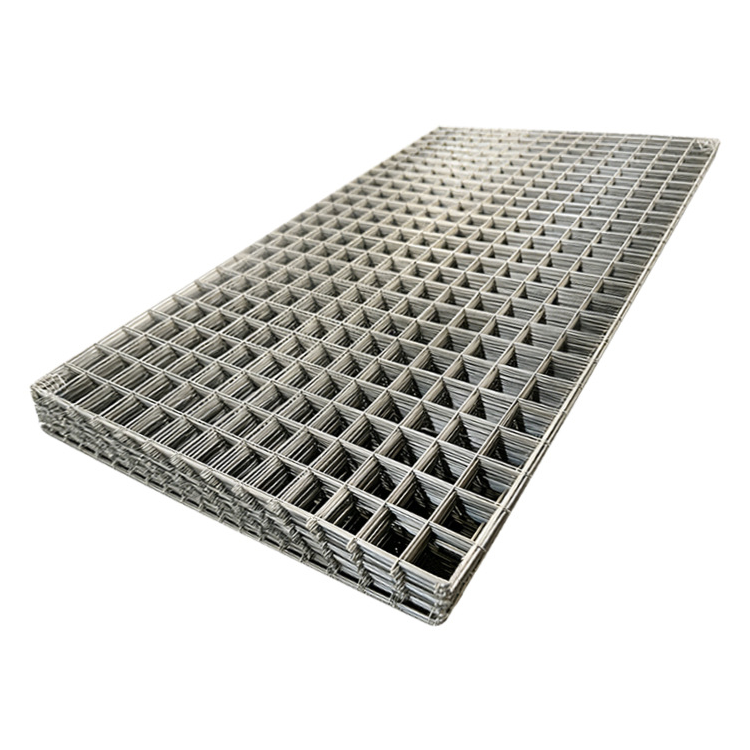
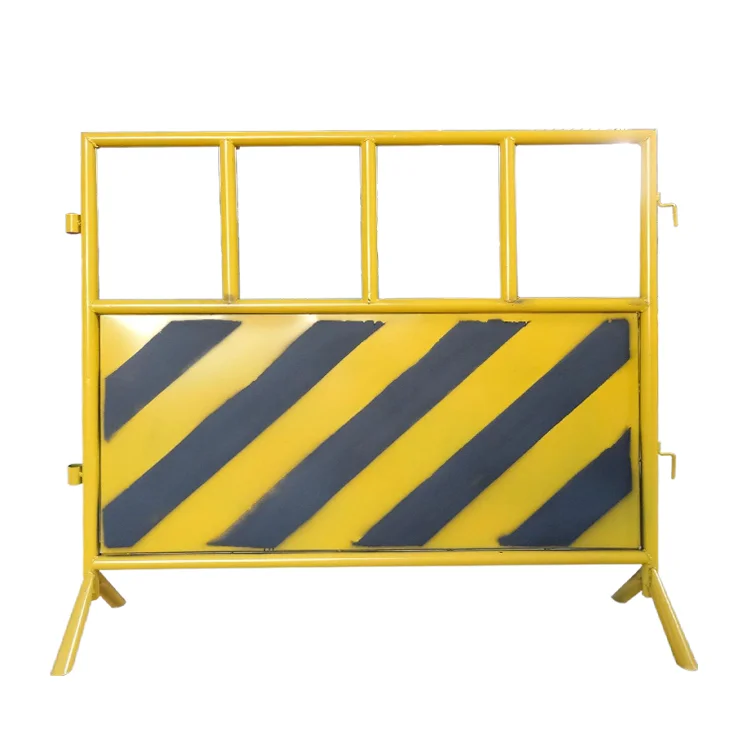
Airport Safety Fence System Galvanized Steel Panels Posts Powder Coated 8ft Height Anti-Climb Design Includes Optional Support
The Airport Safety Fence System is a heavy-duty perimeter fencing solution engineered for aviation and high-security facilities. It features galvanized steel panels and posts with a powder-coated finish, standing at 8ft height with an anti-climb design. The system includes optional support structures for enhanced stability and site-specific installation. It is designed for airports, airfields, logistics hubs, and critical infrastructure where perimeter integrity, durability, and visual deterrence matter. The modular design supports efficient deployment and long service life in outdoor environments.
Spu:
1601730147675
- Overview
- Recommended Products
- 8ft Height: Tall perimeter profile for airport and high-security boundaries.
- Galvanized Steel Panels and Posts: Base corrosion protection for outdoor service.
- Powder-Coated Finish: Durable outer layer in selected colors.
- Anti-Climb Design: Mesh and top configuration that resists gripping and footholds.
- Optional Support Structures: Braces, footings, and additional posts for site-specific stability.
- Modular Components: Pre-fabricated panels and posts for efficient assembly.
- Customizable Dimensions: Panel width, mesh opening, and post spacing can be adjusted.
-
Compatible with Security Accessories: Supports signage, sensors, and detection systems.
- Airport Perimeters: Boundary fencing for runways, aprons, and terminal areas.
- Airfields and Airstrips: Perimeter control for regional and private aviation facilities.
- Logistics Hubs: Cargo areas, fuel farms, and restricted zones.
- Critical Infrastructure: Power plants, water treatment, and communication sites.
- Military and Government Facilities: High-security perimeter demarcation.
-
Industrial Sites: Chemical plants, refineries, and storage yards.
Product Introduction
The Airport Safety Fence System is a perimeter security fencing product manufactured by Kanghailong for aviation and critical infrastructure applications. Its construction combines galvanized steel panels, galvanized steel posts, and a powder-coated finish. The galvanization step provides sacrificial corrosion protection to the base steel, while the powder coating adds a durable outer layer in a selected color. This dual-layer approach supports long-term performance in outdoor conditions, including exposure to moisture, temperature variation, and UV radiation.
The 8ft height is a key specification for airport perimeter fencing. Airports and airfields often require taller fencing to establish a clear physical and visual boundary. The additional height also increases the difficulty of casual intrusion and provides more space for security signage or sensor mounting. Height requirements vary by jurisdiction and facility type, so buyers should confirm local regulations before finalizing specifications.
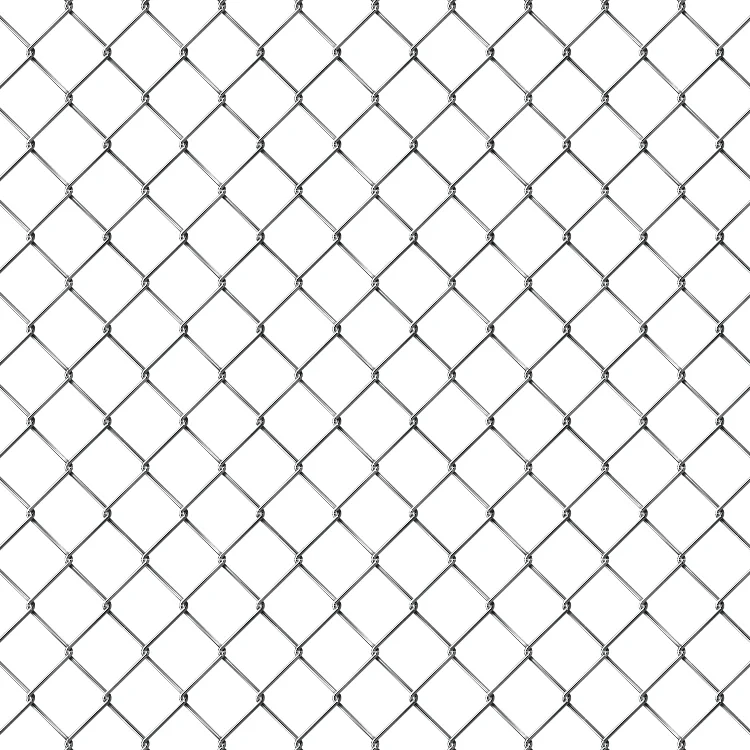
The anti-climb design is a structural feature that makes the fence surface difficult to grip or step on. This is typically achieved through a combination of small mesh openings, horizontal and vertical wire configurations, and the absence of easy footholds. Some airport fence systems also include cranked or curved top sections that lean outward, further complicating climbing attempts. The anti-climb design works together with the fence height and post spacing to define the overall security profile of the perimeter.
The system also includes optional support structures. These may include diagonal braces, base plates, concrete footings, or additional posts for areas with high wind load or soft ground. Optional supports allow the same fence system to be adapted across different site conditions—from paved apron edges to open grass perimeters. This flexibility helps contractors and facility managers standardize on one fencing platform while meeting varied installation requirements.
Panels and posts are modular, which supports efficient shipping and on-site assembly. Components are typically pre-drilled or pre-fabricated, reducing the need for cutting and welding during installation. This modularity also simplifies future repairs or section replacement.
Key Features
Technical Advantages
Dual-Layer Corrosion Protection: Galvanization provides sacrificial protection at cut edges and minor surface damage, while powder coating forms a continuous barrier against moisture and UV. This combination extends service life compared with single-layer finishes.
Structural Stability at Height: At 8ft, wind load becomes a significant design factor. Post diameter, wall thickness, base plate size, and footing depth all influence stability. Optional support structures allow engineers to match the fence system to local wind and soil conditions.
Anti-Climb Geometry: Small mesh openings reduce the size of handholds and footholds. The absence of horizontal bars at easy climbing heights further limits grip points. Cranked top sections, where specified, add an outward lean that complicates balance during climbing attempts.
Modular Assembly: Pre-fabricated panels and posts reduce on-site labor. Bolted or clamped connections allow sections to be replaced without dismantling adjacent panels.
Coating Adhesion: Pre-treatment before powder coating improves adhesion, reducing the risk of chipping during transport and installation.
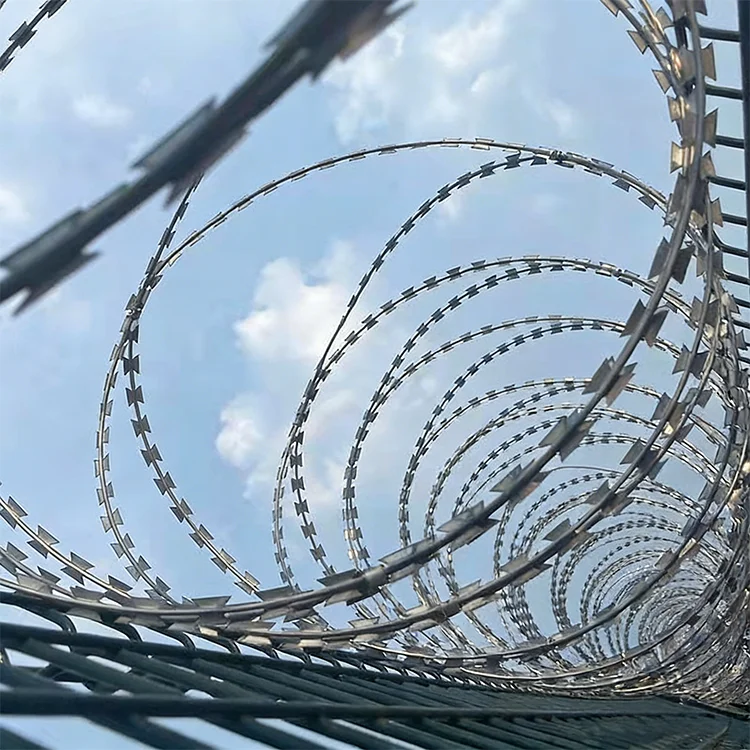
Accessory Integration: The fence structure can accommodate barbed wire, razor wire, CCTV brackets, and perimeter intrusion detection systems, supporting a layered security approach.
Product Specifications
Parameter |
Specification |
Product Name |
Airport Safety Fence System |
Height |
8ft (customizable) |
Panel Material |
Galvanized Steel |
Post Material |
Galvanized Steel |
Finish |
Powder Coated |
Anti-Climb Design |
Yes |
Mesh Opening |
Project-specific |
Post Type |
Round, Square, or Custom |
Support Options |
Braces, Base Plates, Footings |
Color Options |
RAL colors available |
Accessories |
Signage, Sensor Brackets, Wire |
Installation |
Modular, Bolted or Clamped |
MOQ |
Negotiable |
Packaging |
Pallet or Wooden Case |
Applications
Business Value
For B2B buyers, the Airport Safety Fence System offers a combination of height, anti-climb design, and finish durability that suits high-security perimeter projects. The galvanized and powder-coated construction supports long service life, reducing replacement frequency and lifecycle cost. The optional support structures allow one product platform to serve multiple site conditions, simplifying procurement and inventory for distributors and contractors.
From a market perspective, airport expansion, airfield modernization, and critical infrastructure investment continue to drive demand for perimeter security fencing. Buyers in aviation, logistics, and government sectors often require documented material specifications and customizable dimensions. This product can be positioned as a configurable system rather than a fixed catalog item, supporting project-based sales and repeat orders.
The modular design also benefits installation contractors. Pre-fabricated components reduce on-site labor, and bolted connections allow phased installation. For distributors, the system can be stocked in common configurations and adapted with optional supports and accessories as projects require.
FAQ
Q1: Why is 8ft height common for airport fencing?
Taller fencing establishes a clearer physical and visual boundary and increases the difficulty of casual intrusion. Specific height requirements vary by jurisdiction and facility type.
Q2: What makes the fence anti-climb?
Small mesh openings, limited footholds, and optional cranked top sections make the surface difficult to grip or step on. The design works together with fence height and post spacing.
Q3: What are the optional support structures?
They may include diagonal braces, base plates, concrete footings, or additional posts for high-wind or soft-ground areas.
Q4: Can the fence be customized?
Yes. Panel width, mesh opening, post spacing, height, and color can be adjusted to project requirements.
Q5: Is the fence compatible with security systems?
Yes. The structure can accommodate CCTV brackets, sensors, and perimeter detection systems, as well as barbed or razor wire where permitted.
Q6: What is the lead time and packaging?
Lead time is typically 15–30 days depending on quantity and customization. Packaging is pallet or wooden case for export.