
 EN
EN



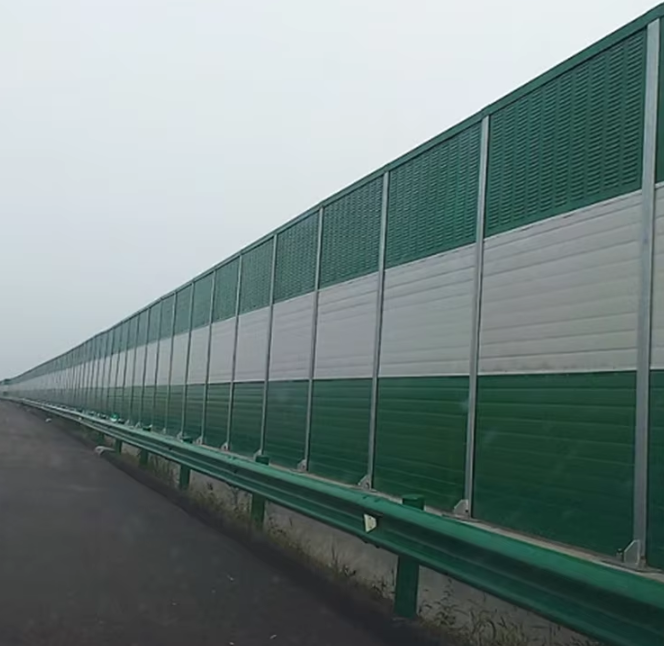
How Noise Control Actually Works
If you have ever lived next to a busy road or a noisy neighbor, you know how annoying constant background noise can be. A traditional concrete fence might seem like a solid barrier, but it does not actually stop sound the way you think. Sound moves through the air like ripples on water, and it can go over, around, or even through solid objects. A soundproof wall is built specifically to handle this problem. Unlike a plain concrete fence, a soundproof wall uses special materials that either absorb sound waves or block them from passing through. Some soundproof walls use dense mineral wool or foam cores that soak up noise like a sponge. Others use layered panels that create multiple barriers for the sound to get through. The result is a huge difference in how much noise actually reaches your yard. A basic concrete fence might block some noise just because it is heavy, but a soundproof wall is engineered from the ground up for this single purpose. That is why more homeowners and businesses are making the switch.
Comparing the Noise Reduction Numbers
Let us talk real numbers here. A standard concrete fence typically has an STC rating of around 40 to 50, which is actually pretty decent. STC stands for Sound Transmission Class, and it measures how well a material blocks airborne noise. The higher the number, the better. But here is the catch. Concrete fences mostly reflect sound back toward the source, which means the noise just bounces off and finds another way around. A good soundproof wall, on the other hand, can achieve similar or even better STC ratings while also absorbing a significant portion of the sound energy. Some acoustic fence panels are designed with absorptive cores that reduce noise by up to 30 to 35 decibels. That is a massive reduction. To put it in perspective, a 10 decibel drop sounds about half as loud to the human ear. So a soundproof wall can literally cut the perceived noise level in half compared to no barrier at all. Traditional concrete fences do not have that absorption capability. They just push the sound somewhere else, which might just annoy your neighbors on the other side instead.
What a Soundproof Wall Does That Concrete Cannot
A soundproof wall works in two ways at once. First, it blocks sound from passing through using dense, heavy materials. Second, it absorbs sound energy so that less noise bounces around. This combination is what makes soundproof walls so effective. Many modern soundproof walls use a layered design with an absorptive core sandwiched between rigid panels. When sound waves hit the outer layer, some energy gets reflected, but the rest travels into the core where it gets trapped and turned into tiny amounts of heat. A traditional concrete fence only reflects. That is it. The sound hits the concrete and bounces right back toward the road or the factory or whatever is making the racket. In some cases, that reflected noise can actually make things worse for people on the other side of the road. Plus, concrete does nothing to absorb the low frequency rumble of truck engines or bass from a neighbor’s stereo. Soundproof walls are designed to handle those tough frequencies too. Some specialized acoustic barriers even use metamaterial technology to target specific noise frequencies more effectively.
The Cost and Installation Reality
People often assume that a concrete fence is the cheaper option. But when you factor in everything, a soundproof wall can actually be more budget friendly in the long run. A solid concrete fence requires a serious foundation because concrete is incredibly heavy. That means excavation, rebar, forms, and a whole lot of labor. Installation can take weeks and cost a small fortune. A soundproof wall, especially the modular panel type, goes up much faster. Many acoustic fencing systems use lightweight panels that slot into posts, just like a regular fence but with way better performance. The materials themselves are often comparable in price to concrete, but the installation time and labor costs are much lower. And let us not forget maintenance. Concrete fences can crack over time, especially in areas with freezing and thawing cycles. Those cracks let water in, and water leads to more cracking and eventually structural issues. Soundproof walls made from treated wood, composite materials, or coated metal are designed to handle the elements without falling apart. Some come with 20 year warranties. Try finding that on a poured concrete wall.
Long Term Maintenance and Durability
Once a soundproof wall is up, you barely have to think about it again. Most acoustic fencing panels are treated to resist rot, insects, and weather damage. A quick wash with a garden hose once or twice a year is usually all it takes to keep them looking good. Concrete fences are low maintenance too, but they are not maintenance free. Cracks happen. Efflorescence, that white powdery stuff that shows up on concrete surfaces, can be an eyesore. And if you ever want to move the fence or change your property layout, removing a concrete wall is a massive job. Soundproof walls are much more flexible. Panels can be taken down and reinstalled elsewhere if needed. That kind of adaptability is something concrete simply cannot offer. Also, consider what happens if a panel gets damaged. With a soundproof wall, you replace one panel and you are done. With a concrete fence, repairing a damaged section often means breaking out a whole chunk and pouring new concrete, which never quite matches the old stuff. The patch always looks like a patch.
Aesthetics and Neighborhood Appeal
Let us be honest here. A plain concrete wall is not exactly a looker. It is gray, it is boring, and it makes your property feel like a prison yard. A soundproof wall comes in all sorts of styles and finishes. You can get wood grain textures, stone patterns, smooth modern finishes, or even living wall systems with built in planters. Some acoustic fences are designed to look just like traditional wood fencing but with a hidden sound absorbing core. That means you get the noise reduction you need without turning your backyard into an industrial zone. Neighborhood associations and local planning boards are much more likely to approve a soundproof wall that blends in with the surroundings than a massive concrete barrier that sticks out like a sore thumb. Plus, if you ever decide to sell your property, a good looking soundproof wall is a selling point. A concrete wall might actually turn buyers away because it looks harsh and uninviting. Curb appeal matters, and a soundproof wall gives you both function and style.
Choosing the Right Solution for Your Situation
So which one should you pick? It really depends on your specific needs. If you live right next to a major highway or an industrial facility with constant, loud noise, a soundproof wall is the way to go. The absorption technology makes a real difference that a reflective concrete wall just cannot match. For lower noise situations like a quiet residential street or a backyard that just needs a little peace, a well designed soundproof wall still beats concrete because of the maintenance and aesthetic advantages. Concrete might make sense if you already need a retaining wall for grading purposes or if you are going for a specific industrial look. But for most homeowners and businesses, a soundproof wall is the smarter investment. It gives you better noise control, easier installation, lower long term costs, and a much nicer appearance. Do not just settle for a concrete fence because it seems like the default choice. Look into soundproof wall options and see how much quieter your life can get.